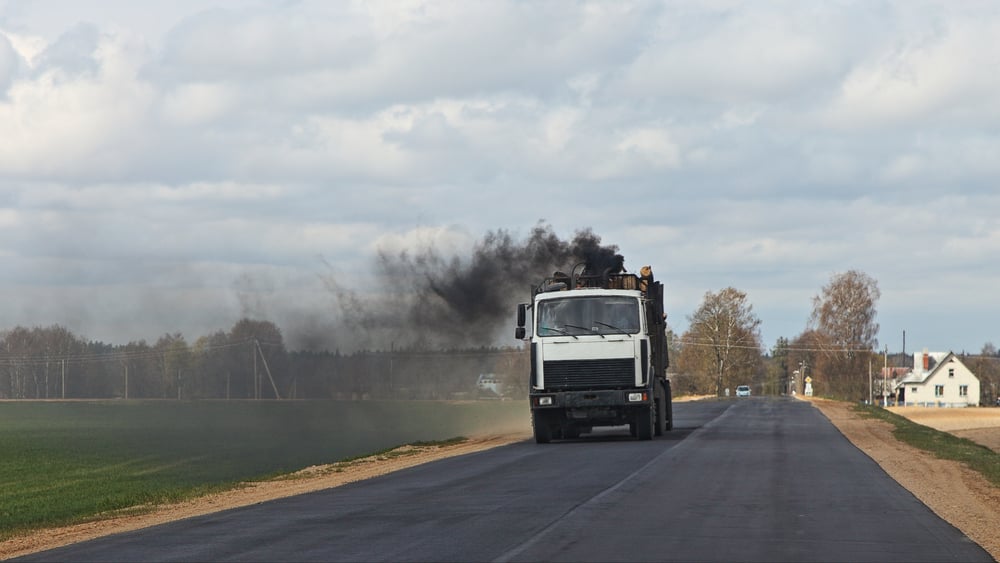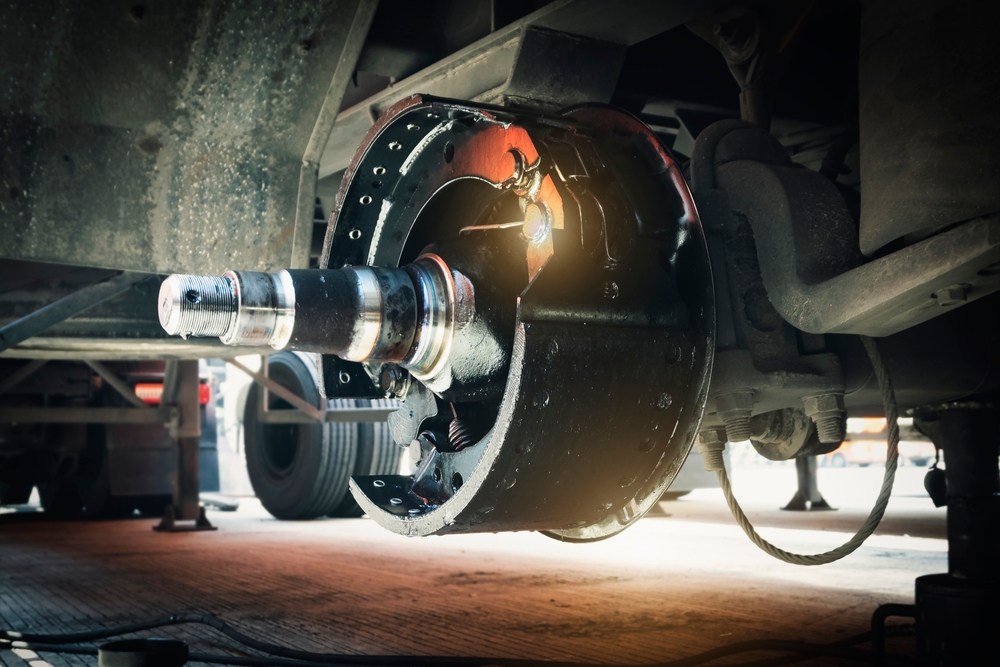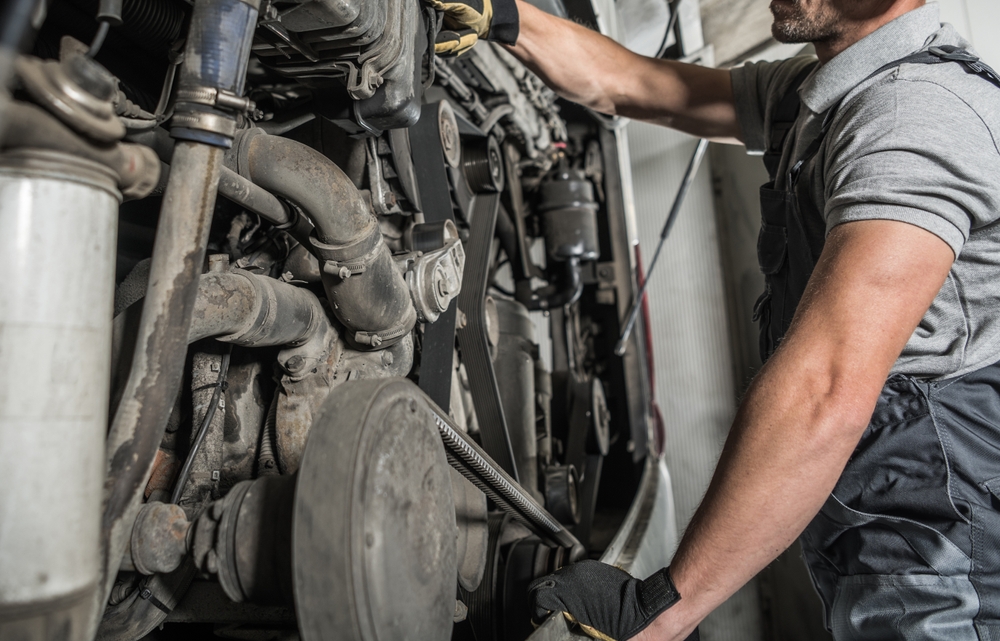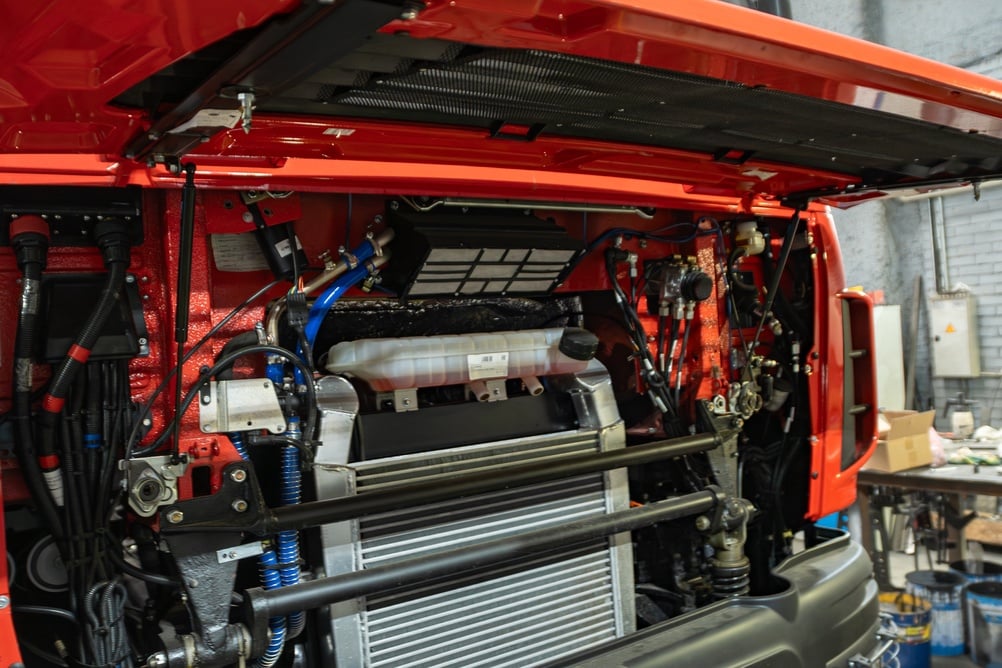
Your diesel vehicle is built for power, durability, and demanding workloads. Whether you operate heavy-duty fleet vehicles or box trucks, these machines are designed to perform under pressure. However, even the most reliable diesel systems can experience transmission issues over time. Recognizing early warning signs of transmission failure can help prevent costly downtime, unexpected breakdowns, and major repairs. A small issue today can quickly become a serious mechanical failure if ignored. Imagine your fleet vehicle or box truck performing normally on the road, then suddenly something feels off, rough shifting, unusual sounds, or reduced power. These subtle changes are often the first signs of transmission trouble.
Key Takeaways
- Mobile diesel repair offers immediate solutions for common engine issues, reducing downtime
- Services cover everything from cooling systems to turbocharger repairs, ensuring comprehensive care
- Mobile repair provides roadside assistance, making it ideal for unexpected breakdowns
- Diesel experts bring their skills directly to you, offering convenience and efficiency
- Houston, Texas, is a hub for reliable mobile diesel repair services, catering to a wide range of needs
Understanding How Diesel Transmissions Work
Diesel transmissions are highly engineered systems that transfer engine power into usable motion. Inside the system, gears, hydraulic pressure, and electronic controls work together to ensure smooth performance under heavy loads. A key component is the transmission control module, which manages shifting behavior and helps ensure smooth, efficient gear changes. In heavy-duty fleet vehicles and box trucks, this system plays an important role in maintaining reliability during constant stop-and-go operation or long-haul driving.
Torque converters are another essential part of diesel transmissions. They help multiply engine torque, giving vehicles the strength needed for hauling heavy cargo and operating under load. Because diesel transmissions operate under higher pressure than gasoline systems, they require clean fluid, proper cooling, and consistent maintenance to perform at their best.
Overview of Common Diesel Transmission Warning Signs
Your diesel transmission often shows early warning signs before a major failure occurs. Recognizing these symptoms early can help prevent expensive repairs and downtime.
| Warning Sign | What You May Notice | Possible Cause |
| Slipping Gears | Unexpected gear changes or difficulty staying in gear | Worn clutch components or low fluid |
| Delayed or Hard Shifting | Jerking, hesitation, or rough gear changes | Faulty controls or contaminated fluid |
| Strange Noises | Grinding, humming, or clunking sounds | Internal wear or gear damage |
| Transmission Fluid Leaks | Fluid spots under the vehicle | Worn seals or damaged lines |
| Burning Smell | Overheated odor during operation | Overheating transmission fluid |
| Loss of Power | Weak acceleration or poor load performance | Torque converter or internal wear |
| Warning Lights | The transmission or engine light appears | Sensor or system malfunction |
Signs Your Diesel Transmission Is Failing
1. Slipping Gears
In heavy-duty fleet vehicles and box trucks, gear slipping is often one of the first noticeable signs that the transmission is struggling to maintain proper power delivery. You may feel the vehicle unexpectedly change gears, struggle to stay in gear, or rev higher than normal without a corresponding increase in speed. This inconsistency can make driving unpredictable, especially when hauling loads or operating in stop-and-go conditions.
This can be caused by:
- Worn clutch plates
- Damaged transmission bands
- Low transmission fluid
- Internal wear
If your vehicle begins to feel unstable during acceleration or load changes, it’s important to address it quickly before the issue worsens.
2. Delayed or Hard Shifting
Heavy-duty fleet vehicles and box trucks are designed to shift smoothly even under load, so any hesitation or rough gear change is a clear warning sign. You might notice a delay when the transmission engages, a hard jolt between gears, or inconsistent shifting behavior during normal operation. These symptoms often become more noticeable when the vehicle is under heavy cargo weight or climbing grades.
Possible causes include:
- A faulty transmission control module
- Dirty or low transmission fluid
- Worn internal components
Hard shifting typically worsens over time, and continued operation can accelerate internal transmission damage.
3. Strange Noises While Driving
Unusual sounds coming from a heavy-duty fleet vehicle or box truck transmission should never be ignored. Grinding, whining, humming, or clunking noises may occur during acceleration, shifting, or even while idling. These sounds often indicate that internal components are no longer operating smoothly and may be under excessive stress.
Unusual noises can indicate:
- Gear damage
- Bearing wear
- Internal misalignment
- Low fluid levels
Any new or persistent noise should be inspected as soon as possible to prevent further internal damage.
4. Transmission Fluid Leaks
Transmission fluid plays a critical role in keeping heavy-duty fleet vehicles and box trucks operating efficiently by lubricating components, maintaining pressure, and controlling heat. If you notice red or dark fluid beneath your vehicle, it is a strong sign that a leak is present and needs attention.
Leaks are commonly caused by:
- Damaged seals
- Worn gaskets
- Cracked transmission lines
Even a small leak can quickly lead to overheating, internal wear, and eventual transmission failure if not repaired promptly.
5. Burning Smell or Overheating
A burning odor in heavy-duty fleet vehicles and box trucks often signals that the transmission is running hotter than normal. This typically occurs when transmission fluid breaks down due to heat or when the system is under excessive strain from heavy loads or extended operation.
Overheating may be caused by:
- Low fluid levels
- Dirty or degraded transmission fluid
- Clogged cooling lines
- Excessive strain on the transmission
Repeated overheating can significantly shorten transmission life and lead to major internal failure if not addressed.
6. Loss of Power or Poor Performance
When a heavy-duty fleet vehicle or box truck begins to feel sluggish, struggles to accelerate, or loses pulling strength under load, it often points to transmission inefficiency. In these situations, the engine may be working normally, but the transmission is not properly transferring power to the wheels.
Drivers often notice:
- Reduced towing or hauling capability
- Delayed or weak acceleration
- Engine revving without an increase in speed
These symptoms can indicate torque converter issues or internal transmission wear that requires immediate attention.
7. Warning Lights on the Dashboard
Modern heavy-duty fleet vehicles and box trucks are equipped with advanced monitoring systems that detect transmission issues early. When a transmission-related warning light or check engine light appears, it is the vehicle’s way of signaling that something is not functioning correctly.
Dashboard warnings may indicate:
- Transmission overheating
- Sensor failures
- Pressure irregularities
- Internal transmission faults
A professional diagnostic scan is the best way to accurately identify the issue and prevent further damage before it escalates.
When to Seek Professional Help for Transmission Problems
At Ares Diesel Repair Inc, we understand that transmission issues in heavy-duty fleet vehicles and box trucks rarely fix themselves. Once symptoms begin to appear, they typically progress quickly without proper diagnostics and repair, which is why early attention is critical to keeping your vehicles on the road.
If you’re noticing persistent slipping or shifting problems, visible transmission fluid leaks, dashboard warning lights, or a loss of movement or difficulty engaging gears, it’s time to schedule professional service. These warning signs often point to deeper transmission issues that require a trained diesel technician to properly diagnose and address.
We’ve seen how quickly small transmission concerns can escalate in fleet vehicles and box trucks. Ignoring these symptoms can lead to complete transmission failure, extended downtime, and significantly higher repair costs that can impact your entire operation.
Failing Diesel Transmission FAQs
What are the most common signs of a failing diesel transmission?
In heavy-duty fleet vehicles and box trucks, transmission issues often start with subtle performance changes before becoming major failures. Common early signs include slipping gears, delayed or rough shifting, and unusual noises such as grinding, whining, or clunking during operation. Drivers may also notice fluid leaks beneath the vehicle or a burning smell coming from the transmission area. Reduced power, poor acceleration, or difficulty maintaining speed under load are also strong indicators that the transmission is beginning to fail and should be inspected immediately.
Can low transmission fluid damage a diesel transmission?
Yes, low transmission fluid can cause serious and rapid damage in heavy-duty fleet vehicles and box trucks. Transmission fluid is essential for lubrication, hydraulic pressure, and temperature control, all of which are critical under heavy load conditions. When fluid levels drop too low, the transmission can overheat, internal components can begin to wear faster, and shifting performance will quickly decline. If left unaddressed, low fluid can lead to severe internal damage and complete transmission failure.
How often should a diesel transmission be serviced?
For heavy-duty fleet vehicles and box trucks, transmission service intervals typically range between 30,000 and 60,000 miles, depending on usage, load weight, and driving conditions. Vehicles that frequently haul heavy loads or operate in stop-and-go environments may require more frequent service to maintain reliability. Routine maintenance such as fluid and filter changes helps prevent overheating, reduces internal wear, and extends transmission lifespan. Staying on a consistent maintenance schedule is especially important for fleet operations where downtime directly impacts productivity.
Can towing heavy loads cause transmission problems?
Yes, constant towing or hauling heavy loads places significant stress on the transmission in heavy-duty fleet vehicles and box trucks. Increased weight leads to higher operating temperatures and greater strain on key components such as the torque converter, clutch packs, and gears. Over time, this added stress can accelerate wear and reduce overall transmission life if not properly maintained. Using correct load practices and keeping transmission fluid in good condition helps reduce long-term damage.
Is it safe to drive with transmission problems?
It is not safe to continue operating a heavy-duty fleet vehicle or box truck with transmission issues. Symptoms such as slipping gears, rough shifting, or unusual noises often indicate internal damage that can quickly worsen under continued use. Driving in this condition increases the risk of sudden breakdowns, complete transmission failure, and expensive repairs. Having the vehicle inspected as soon as possible helps prevent further damage and keeps fleet operations running safely and efficiently.
Protect Your Truck by Recognizing Diesel Transmission Failure Signs
Recognizing the early signs of diesel transmission failure can help prevent expensive repairs and unexpected breakdowns. Issues like slipping gears, rough shifting, overheating, and fluid leaks should never be ignored. With regular maintenance and quick action, diesel truck owners can extend the life of their transmission and keep their vehicle performing reliably.
As a diesel repair partner in Houston, TX, we understand how important dependable transmission performance is for hardworking diesel trucks. Our team specializes in diagnosing and repairing diesel transmission issues for drivers throughout the Houston area.
Are you noticing signs of transmission trouble in your diesel truck? Contact us today to schedule a professional inspection and get trusted diesel transmission repair solutions before minor issues turn into major problems.