Commercial truck brakes play a critical role in keeping drivers, cargo, and other motorists safe on the road. Because heavy-duty vehicles regularly carry substantial loads and operate under demanding conditions, their braking systems experience significant wear over time.
Brake lifespan can vary depending on factors such as driving habits, load weight, road conditions, and maintenance practices. Understanding these factors can help fleet managers, drivers, and truck owners recognize brake wear, plan service, and maintain reliable stopping performance.
Key Takeaways
- Disc brakes provide strong stopping power, while drum brakes are durable and cost-effective
- Air brakes are reliable and commonly used on heavy-duty trucks
- Brake lifespan depends on driving habits, load weight, road conditions, and other factors
- Regular inspections and maintenance help extend brake life and support safe operation
- Proper brake care can help prevent costly repairs and unexpected downtime
Different Types of Truck Brakes Explained
Commercial trucks rely on dependable braking systems to safely handle heavy loads, long distances, and frequent stops. Different brake types are designed for different vehicle sizes and operating conditions, so understanding the basics can help truck owners and fleet managers make informed maintenance and repair decisions.
| Brake Type | How It Works | Main Benefits | Common Use |
| Disc Brakes | Brake pads press against a rotating disc or rotor to slow the vehicle | Strong stopping power, good heat control, and consistent performance | Commercial and heavy-duty trucks |
| Drum Brakes | Brake shoes press against the inside of a rotating drum | Durable, cost-effective, and relatively simple to service | Commercial trucks and fleets |
| Air Brakes | Compressed air applies pressure to the brake components | Reliable stopping power for heavy loads and large vehicles | Semi-trucks, buses, and heavy-duty vehicles |
| Hydraulic Brakes | Brake fluid transfers pressure from the pedal to the brake components | Simple, efficient, and effective for lighter vehicles | Light- and medium-duty commercial trucks |
| Electric Brakes | Electrical systems control braking force, with some systems supporting regenerative braking | Lower maintenance needs and potential energy savings | Electric and hybrid commercial vehicles |
Disc Brakes
Disc brakes use brake pads and calipers to create friction against a rotating rotor. They provide strong, consistent stopping power and can manage heat effectively, making them a common choice for vehicles that experience demanding driving conditions.
Drum Brakes
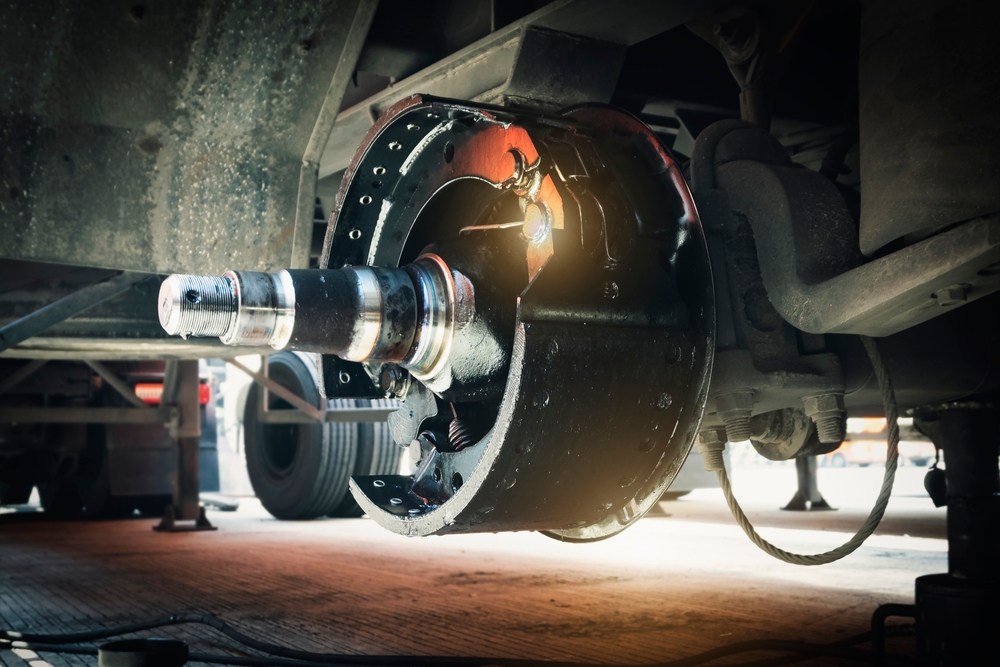
Drum brakes use brake shoes that press against the inside of a rotating drum. They are known for their durability and lower cost, making them a practical option for many commercial fleets.
Air Brakes
Air brakes use compressed air to apply braking force. They are widely used on heavy-duty trucks because they provide reliable stopping power for large vehicles and heavy loads.
Hydraulic Brakes
Hydraulic brakes use fluid to transfer pressure from the brake pedal to the pads or shoes. They are generally found on commercial vehicles where the braking demands are lower than those of heavy-duty trucks.
Electric Brakes
Electric braking systems are becoming more common as electric and hybrid commercial vehicles continue to develop. Depending on the system, they can reduce brake wear and support regenerative braking, which helps recover energy during deceleration.
Choosing the right brake system is only part of maintaining reliable stopping performance. Regular inspections, timely repairs, and proper maintenance are also important for keeping commercial truck brakes working safely and efficiently.
The Basics of Air Brake Systems
Air brake systems are commonly used on commercial trucks because they provide reliable stopping power for heavy vehicles and loads. The system uses compressed air to apply the brakes, with several key components working together to keep the truck operating safely.
The air compressor creates and sends compressed air to the air tanks, where it is stored until the brakes are needed. When the driver presses the brake pedal, the compressed air travels through brake lines and hoses to the brake chambers. The brake chambers turn the air pressure into mechanical force that applies the brakes.
Slack adjusters help keep the brakes properly adjusted as the brake shoes wear. This helps maintain consistent braking performance and prevents excessive stopping distances. The system also includes safety valves, which help control air pressure and protect the braking system from damage.
Because air brakes depend on proper air pressure and functioning components, regular inspections are important. Checking for air leaks, worn parts, damaged hoses, and other issues can help prevent brake problems and keep commercial trucks operating safely.
Factors Affecting the Lifespan of Truck Brakes
Several factors can affect how long commercial truck brakes last. Understanding what causes brake wear can help truck owners and fleet managers plan maintenance, reduce unexpected repairs, and keep vehicles operating safely.
- Driving Habits: Frequent hard braking, sudden stops, and aggressive driving can cause brakes to wear faster. Smooth, controlled braking can help extend brake life.
- Load Weight: Heavier loads require more braking force, which can increase wear on brake components. Trucks that regularly carry heavy loads may need more frequent brake inspections.
- Road and Weather Conditions: Heat, moisture, corrosion, traffic, and road conditions can all affect brake performance and wear. Regular inspections can help identify problems caused by these conditions.
- Regular Maintenance: Routine inspections and timely repairs help keep brake components working properly. Addressing worn parts early can also help prevent more expensive repairs and downtime.
- Quality of Brake Components: High-quality brake parts can provide reliable performance and may last longer than lower-quality alternatives. Using the right components for the vehicle and its workload is important for long-term brake performance.
Essential Maintenance Tips for Air Brakes
Regular air brake maintenance helps keep commercial trucks safe, reliable, and ready for the road. Simple checks and routine service can catch problems early, reduce wear, and help prevent costly repairs or downtime.
- Check Air Pressure: Make sure the system maintains the proper air pressure. Low pressure can affect braking performance and may indicate a problem that needs attention.
- Inspect Brake Linings: Check brake linings for wear and replace them when needed. Worn linings can reduce stopping power and damage other brake components.
- Remove Moisture From Air Tanks: Moisture can cause rust and corrosion inside the air brake system. Regularly draining the tanks and maintaining the air dryer helps protect system components.
- Lubricate Moving Parts: Proper lubrication helps reduce friction and wear on moving brake components, supporting smooth and reliable operation.
- Schedule Professional Inspections: Regular inspections by a qualified mechanic can identify leaks, worn parts, and other issues before they become serious problems.
The Role of Regular Inspections in Extending Brake Life
Regular brake inspections help identify problems early and keep commercial trucks operating safely. A professional mechanic can spot issues such as worn brake components, air leaks, or uneven wear before they lead to more serious problems.
Routine inspections also help keep trucks in good working condition and support compliance with safety requirements. Finding and fixing small issues early can reduce repair costs, prevent unexpected breakdowns, and minimize downtime. For drivers and fleet managers, regular brake checks provide greater confidence that the truck is ready for the road.
Commercial Truck Brakes FAQs
What kind of brakes do most heavy-duty trucks use?
Most heavy-duty trucks rely on air brakes. This system uses compressed air rather than hydraulic fluid, making it ideal for the high demands of large vehicles. Air brakes are reliable and efficient, providing the necessary stopping power for heavy trucks on the road. Their design ensures safety even if there’s a leak in the system, as they default to a braking position, reducing the risk of brake failure.
What is the most common type of brakes used on heavy commercial vehicles?
The most common type of brakes found on heavy commercial vehicles is the S-cam drum brake. Known for its durability and reliability, this brake system uses an S-shaped cam to force the brake shoes against the drum. This mechanism provides the necessary stopping power required for large trucks, making it a popular choice in the industry.
What are the different types of brakes used on trucks?
Trucks utilize several types of brakes, including air brakes, hydraulic brakes, disc brakes, and drum brakes. Air brakes are common in large vehicles due to their reliability. Hydraulic brakes are used in lighter trucks. Disc brakes offer better cooling and braking performance, while drum brakes are valued for their robustness. Each type has its advantages, depending on the truck’s size and use.
How long do commercial truck brakes typically last?
Commercial truck brakes typically last anywhere from 30,000 to 70,000 miles, but this can vary widely based on driving conditions, load weight, and maintenance practices. Frequent braking in urban settings or heavy loads can lead to quicker wear. Regular inspections and maintenance can help extend the lifespan of your truck’s brakes, ensuring they remain effective and safe for longer periods.
How can I tell if my commercial truck brakes need service?
Common signs include longer stopping distances, unusual noises, reduced braking performance, and visible wear on brake components. Air brake issues may also cause low air pressure or air leaks. Having the brakes inspected by a qualified mechanic can help identify problems and determine when repairs or replacement are needed.
Commercial Truck Brakes
Commercial truck brakes are essential for safe and reliable vehicle operation, especially when handling heavy loads and long-distance travel. Understanding brake types, common causes of wear, and proper maintenance can help extend brake life, reduce downtime, and support safer driving.
As a heavy-duty truck repair company serving Houston, we provide professional brake inspections, repairs, and maintenance for commercial trucks and fleets.
Need reliable brake service for your commercial truck or fleet? Contact us today to schedule professional brake repair and maintenance services and keep your trucks ready for the road.