Is your car leaving puddles, giving off a sweet smell, or running hotter than usual? These could be signs of a coolant leak. Finding and fixing the problem quickly can help prevent serious engine damage, especially during Houston’s hot weather. In this guide, you’ll learn how to spot a coolant leak, check the system, and understand your repair options.
Key Takeaways
- Coolant leaks can lead to severe engine damage if not addressed quickly
- Understanding the coolant system’s components helps in diagnosing and fixing leaks
- Identifying signs of a coolant leak early can prevent costly repairs
- A step-by-step inspection can reveal the source of the leak
- Knowing when to seek professional help is crucial for persistent issues
What You Need to Know About Coolant Leaks
A coolant leak may seem like a small issue, but ignoring it can lead to engine overheating and expensive repairs. Your vehicle’s cooling system helps control engine temperature, so it needs to stay sealed and working properly. Common causes of coolant leaks include worn hoses, loose clamps, and damaged radiators.
Regular coolant checks can help catch these problems early and prevent engine damage. Leaks can occur when parts wear out or develop cracks due to heat and pressure. Knowing the common causes and warning signs can help you address the problem before it gets worse.
Identifying Signs of a Coolant Leak
Knowing the signs of a coolant leak can help you catch the problem early and avoid serious engine damage. Watch for these common warning signs:
- Puddles under your vehicle: Coolant may leave a puddle under your car, often with a bright color.
- Sweet smell: A sweet smell around your vehicle can be a sign of leaking coolant.
- Rising temperature gauge: If your engine temperature is higher than normal, there may be an issue with the cooling system.
- Steam or smoke: Steam coming from under the hood can indicate that your engine is overheating.
- Low coolant levels: A drop in coolant levels may point to a leak in the system.
- Dashboard warning lights: A low coolant or check engine light can signal a cooling system problem.
How to Safely Inspect Your Radiator and Engine Coolant System
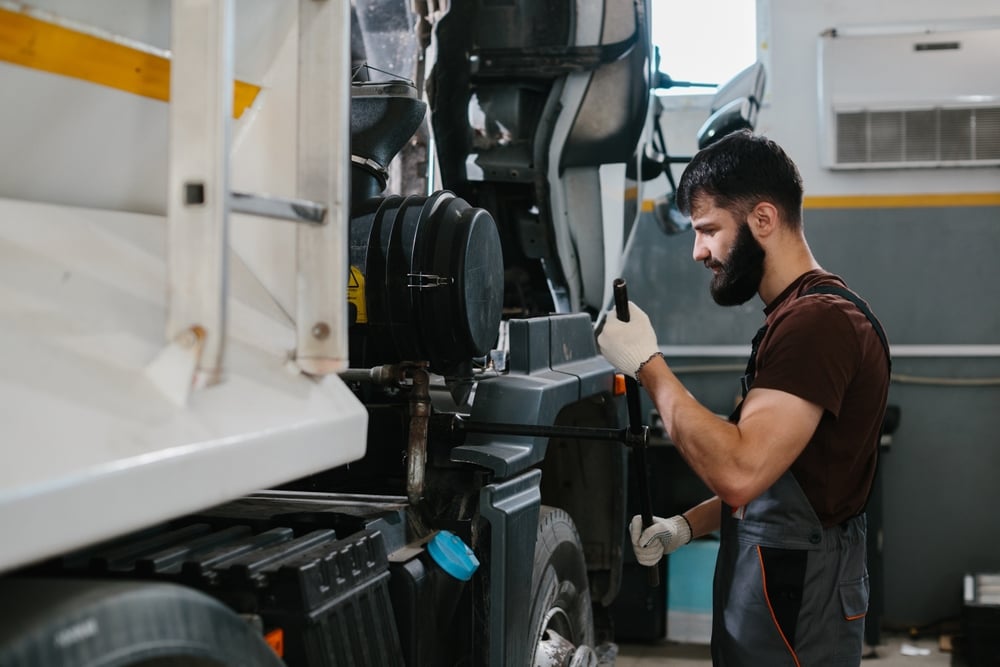
Before inspecting your radiator and engine coolant system, make sure your engine is cool. A hot engine can lead to burns or injuries, so patience is key here. Once it’s safe, grab a flashlight to help you spot any leaks or cracks in the system.
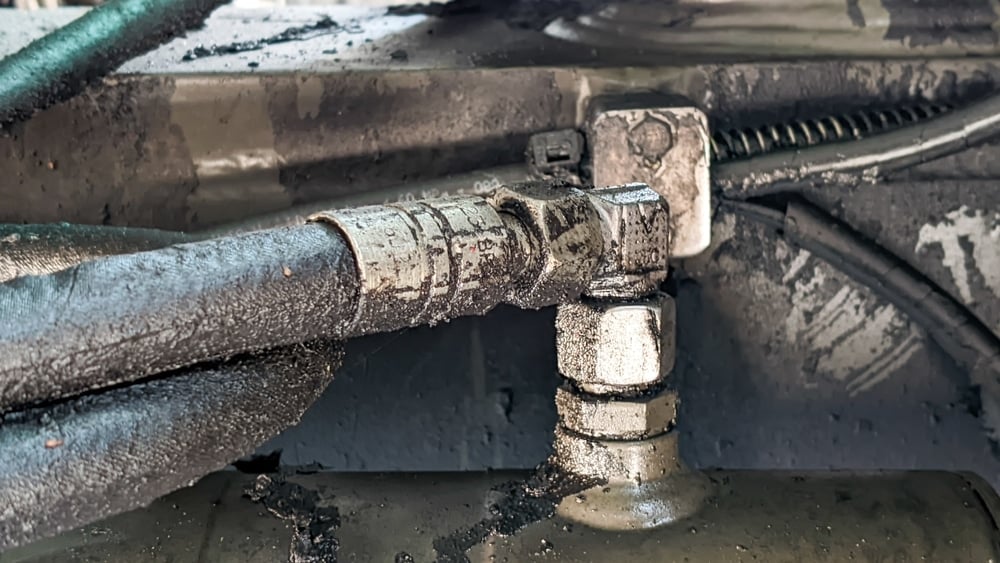
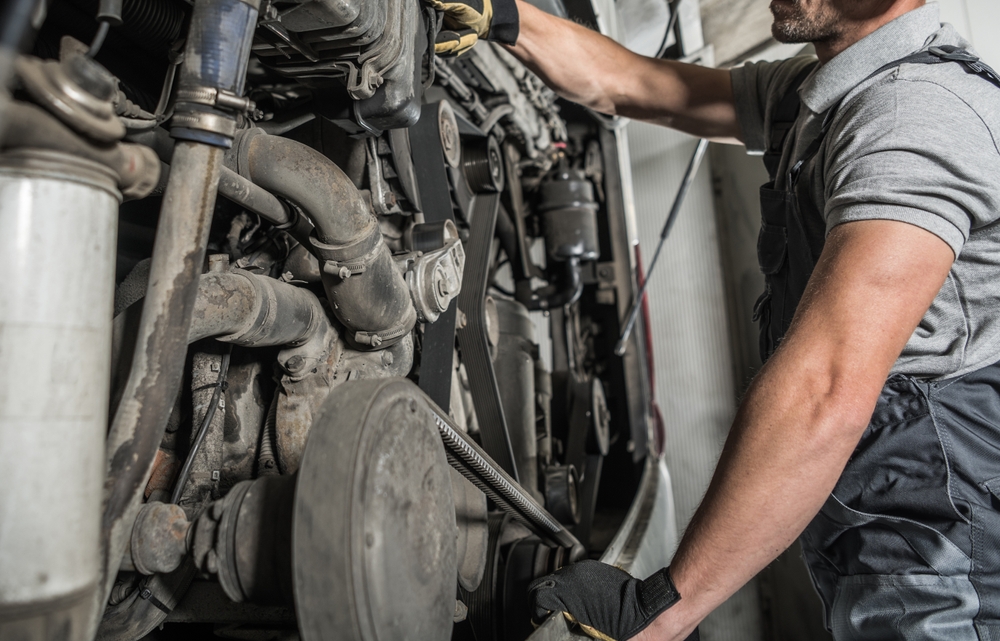
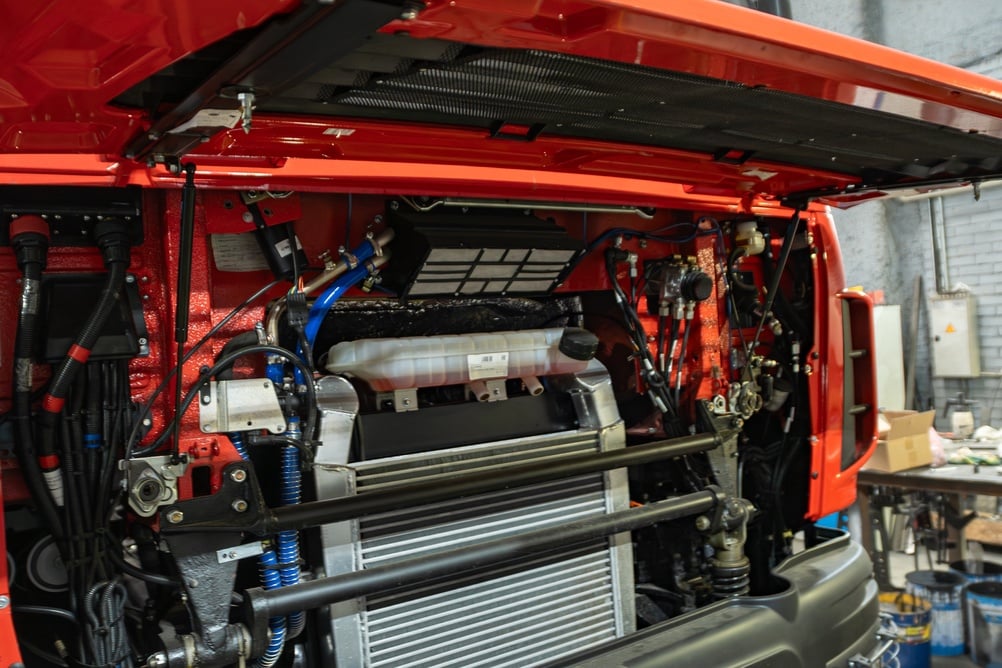
Start by checking the hose connections. They should be tight and secure. Any loose or worn-out hoses can lead to coolant leaks. Next, inspect the radiator cap. A proper seal is essential for maintaining the pressure within the coolant system. If the cap is damaged or loose, it might be the source of your problem.
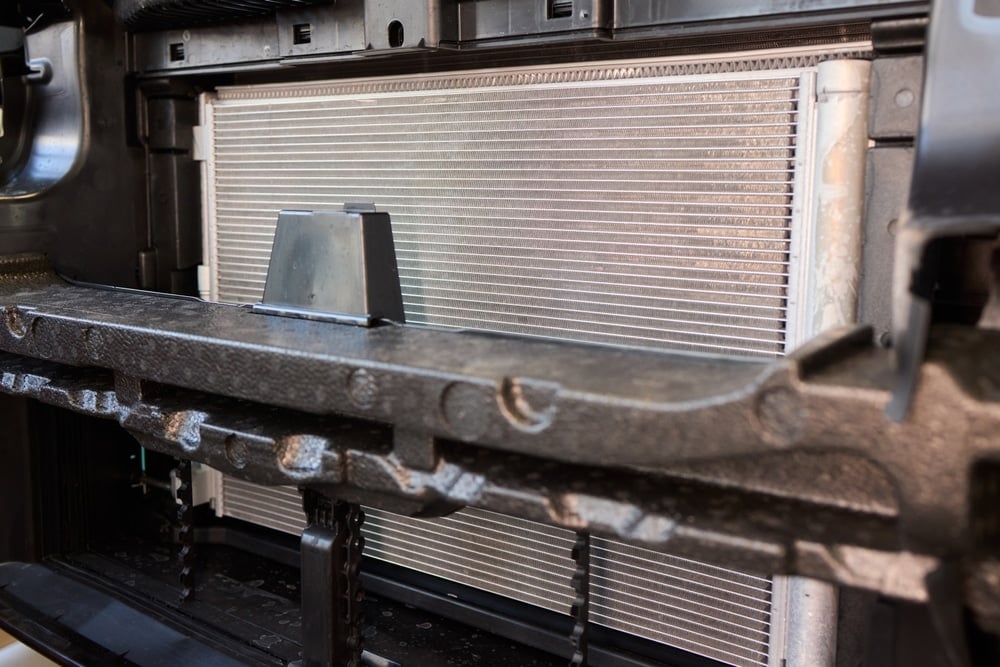
Don’t forget a visual check for rust or discoloration. These are signs of potential leak sources, indicating areas where the coolant might be escaping. Take a close look at all visible components, including the radiator, hoses, and any connections. This thorough inspection can reveal hidden issues that might not be immediately apparent.
When to Seek Professional Help for Persistent Coolant Leaks
Some coolant leaks require more than a simple repair. If the leak keeps coming back, your vehicle continues to overheat, or you can’t find the source, it’s time to have a professional take a look.
At Ares Diesel Repair, we can diagnose cooling system problems and identify the cause of persistent leaks. Professional service may be needed for issues such as:
- Recurring coolant leaks: A leak that keeps coming back may point to a larger problem.
- Frequent overheating: Continued overheating can cause serious engine damage.
- Hard-to-find leaks: Specialized tools can help locate leaks that aren’t easy to see.
- Major engine problems: Issues such as head gasket failure require professional diagnosis and repair.
Tips for Ongoing Maintenance to Prevent Future Coolant Leaks
Regular maintenance can help prevent coolant leaks and keep your engine running properly. Simple checks and routine service can catch worn parts before they lead to bigger problems.
| Maintenance Task | Why It Matters |
| Check hoses and clamps | Look for cracks, wear, or loose connections that could cause leaks. |
| Check coolant levels | Check your coolant regularly to catch low levels early. |
| Flush the cooling system | Regular coolant flushes help remove buildup and keep the system working properly. |
| Replace worn parts | Replacing damaged hoses, clamps, or other parts can help prevent future leaks. |
| Watch the temperature gauge | A rising temperature can be an early warning of a cooling system problem. |
| Use the right coolant | Always use the type of coolant recommended for your vehicle. |
| Prepare for Houston heat | Hot Texas weather can put extra stress on your cooling system, making regular maintenance especially important. |
Keeping up with these maintenance tasks can help reduce the risk of coolant leaks, overheating, and unexpected breakdowns.
Leaking Coolant System FAQs
Can you drive if your coolant is leaking?
It’s generally not safe to drive with a leaking coolant system. Coolant is essential for regulating your engine’s temperature, and driving without it can lead to overheating. This can cause significant engine damage and lead to costly repairs. If you notice a leak, it’s best to address the issue promptly and avoid driving until it’s fixed or the leak is under control.
Is it worth fixing a coolant leak?
Absolutely, fixing a coolant leak is crucial. Ignoring it can result in engine overheating, which might lead to extensive damage and even more expensive repairs. A well-maintained coolant system ensures your car runs efficiently and extends its lifespan. Prioritizing repairs can save you from future headaches and maintain your vehicle’s optimal performance, making it a worthwhile investment.
What is the most common place for a coolant leak?
Coolant leaks often occur at connection points like hoses and clamps. Radiators, water pumps, and the heater core are also common culprits. These areas experience frequent wear and tear, making them more susceptible to leaks. Regular inspections can help identify potential problem spots early, preventing minor issues from escalating into major repairs.
What are the most common signs of a leaking coolant system?
Common signs of a leaking coolant system include frequent overheating, a sweet smell inside or outside the vehicle, visible puddles under your car, and a low coolant level in the reservoir. You might also notice steam coming from the engine or dashboard warnings. If any of these signs appear, it’s important to have your vehicle checked out as soon as possible.
How can I prevent coolant leaks?
Regular maintenance can help reduce the risk of coolant leaks. Check coolant levels, inspect hoses and clamps, and replace worn parts before they fail. At Ares Diesel Repair, professional cooling system inspections and maintenance can help identify potential problems before they lead to a breakdown.
Leaking Coolant System Help
A leaking coolant system can quickly lead to overheating and serious engine damage if left untreated. Knowing the warning signs, keeping up with regular maintenance, and addressing leaks early can help keep your vehicle running reliably.
As a mobile diesel repair company serving Houston, we help drivers and fleets identify and address cooling system problems before they become larger issues. Our experienced team provides dependable diagnostics and repairs to help keep your vehicle running safely and reliably.
Are you dealing with a coolant leak or an overheating vehicle? Contact us today to schedule professional diesel repair service and get your vehicle back on the road.