Your diesel truck’s cooling system helps keep the engine at a safe operating temperature and prevents overheating or freezing. Like other parts of your truck, it needs regular maintenance to work properly.
One important service is a coolant flush, which removes old coolant and buildup from the system. So, how often should you flush your diesel truck’s cooling system? Let’s take a look.
Key Takeaways
- Regular maintenance of the cooling system prevents engine damage
- Understanding how the cooling system works is important for troubleshooting
- Coolant plays a vital role in temperature regulation and component protection
- Recognizing signs of trouble can save you from costly repairs
- Flushing the system at recommended intervals maintains engine efficiency
How a Diesel Truck Cooling System Works
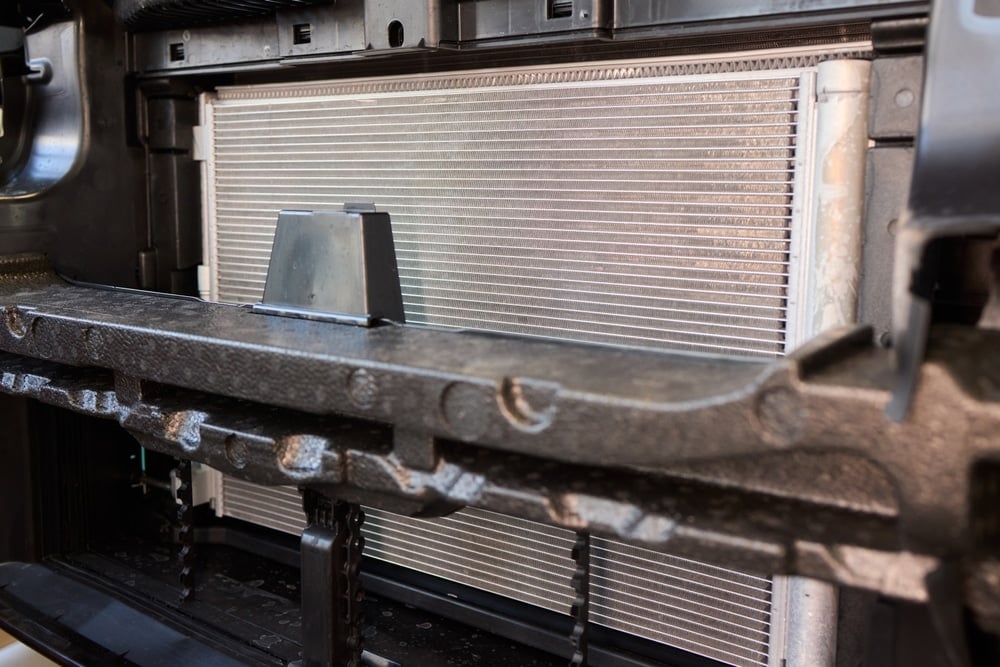
A diesel truck’s cooling system helps keep the engine at a safe operating temperature. The engine creates a lot of heat while running, and without proper cooling, it can overheat and suffer serious damage. Coolant moves through the engine, absorbing heat before traveling to the radiator. The radiator releases the heat into the air, while the water pump keeps the coolant moving through the system.
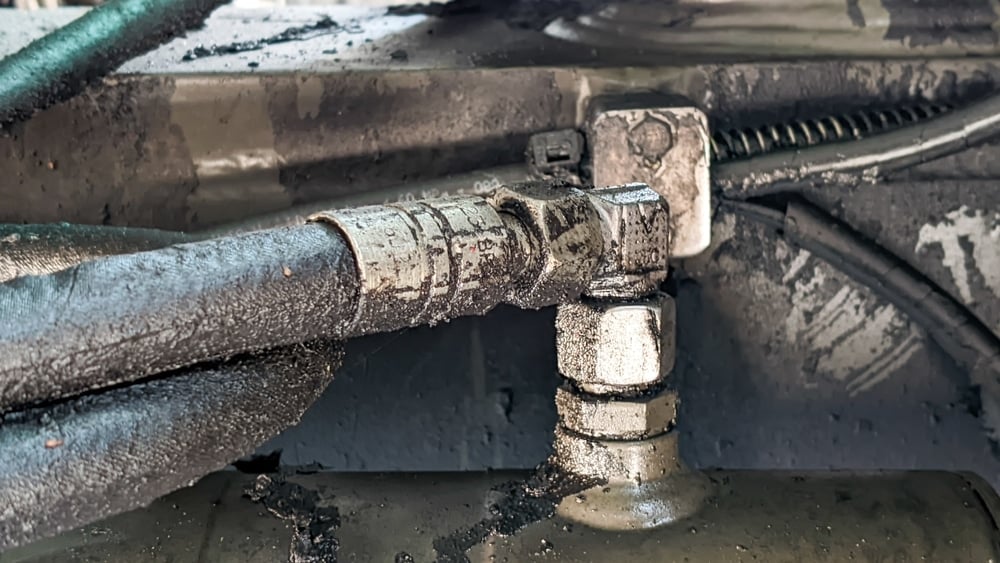
The thermostat controls coolant flow based on engine temperature. Hoses and clamps carry the coolant and help prevent leaks. Your dashboard temperature gauge also helps you monitor the engine and spot potential cooling problems early.
Key Components of a Diesel Truck Cooling System
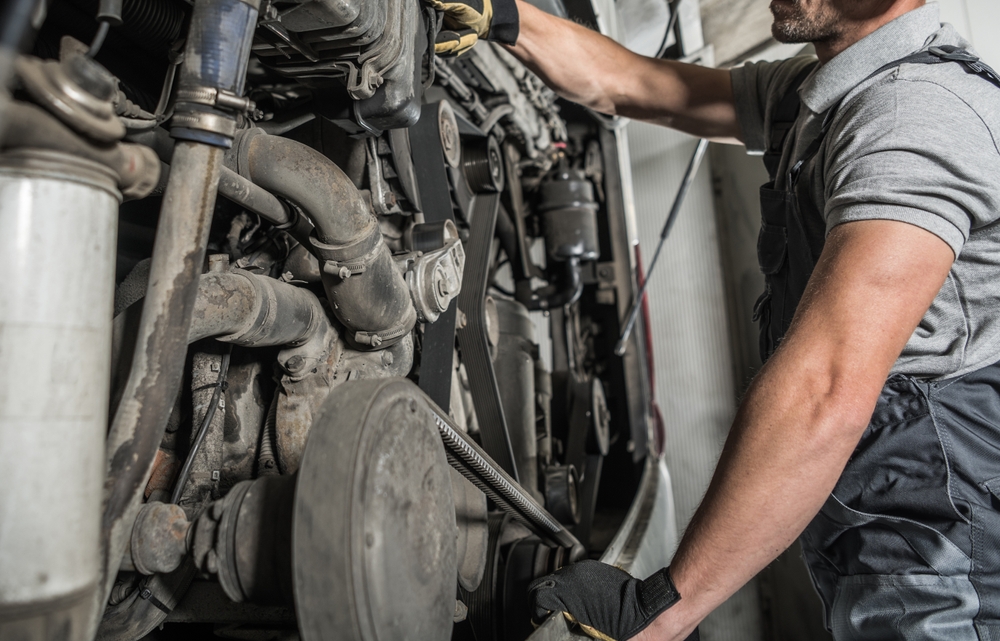
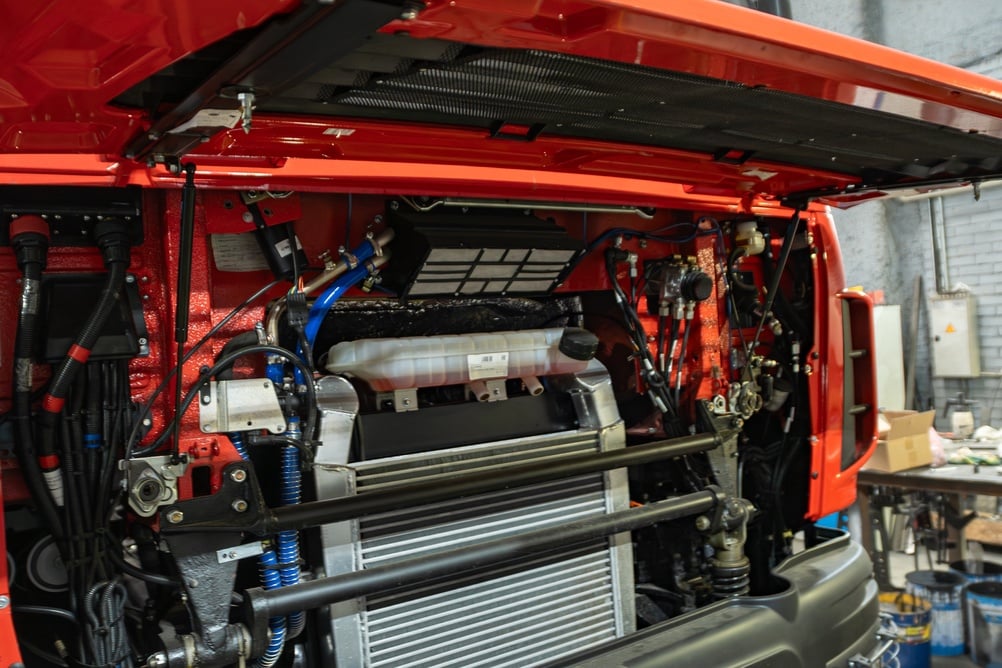
A diesel truck’s cooling system has several components that work together to control engine temperature and prevent overheating. Each part has an important job, from moving coolant through the engine to releasing heat.
| Component | What It Does |
| Radiator | Releases heat from the coolant into the surrounding air |
| Water Pump | Circulates coolant through the engine and cooling system |
| Thermostat | Regulates coolant flow to help maintain the proper engine temperature |
| Coolant Reservoir | Holds extra coolant and provides a supply when the system needs it |
| Hoses | Carry coolant between the engine, radiator, and other components |
| Belts | Help power components such as the water pump and keep the cooling system operating properly |
Together, these components help keep the engine running at the right temperature and reduce the risk of overheating and costly repairs.
The Role of Coolant in Protecting Your Engine
Coolant, often referred to as antifreeze, is the lifeblood of your truck’s cooling system. It prevents your engine from overheating by absorbing and transferring heat away from it. But that’s not all it does. The antifreeze within the coolant mixture is specially formulated to resist freezing in cold temperatures, ensuring your engine remains operational even in the chilliest conditions.
Another crucial function of coolant is to protect your engine from corrosion. It contains additives that inhibit rust and corrosion, safeguarding the engine’s components from damage. Maintaining the proper coolant levels is essential for efficient engine performance and longevity. Regular checks can prevent costly engine damage and keep your truck running smoothly.
Keeping an eye on your coolant system is a smart move. Low coolant levels or discolored radiator fluid can signal issues that need addressing. By staying proactive, you can avoid potential problems and keep your engine in top shape.
Signs Your Cooling System Needs Attention
Your diesel truck’s cooling system plays an important role in preventing engine damage. Knowing the warning signs can help you address problems early and avoid more expensive repairs. Watch for these common signs:
- Engine overheating: If the temperature gauge regularly reads higher than normal, the cooling system may not be working properly.
- Low coolant levels: Low coolant can be caused by a leak or another issue within the cooling system.
- Unusual noises: Hissing, bubbling, or other strange sounds may indicate a cooling system problem.
- Visible coolant leaks: Puddles or signs of coolant under your truck should be inspected as soon as possible.
- Fluctuating engine temperature: Frequent changes in the temperature gauge can indicate an issue with coolant flow, the thermostat, or another component.
How Often Should You Flush Your Diesel Truck’s Cooling System?
There is no one-size-fits-all schedule for a diesel truck coolant flush. The right timing depends on your truck, the type of coolant, mileage, and how the truck is used. Always check your manufacturer’s recommendations for the best maintenance schedule.
Regular cooling system service can help prevent buildup, reduce the risk of overheating, and keep your engine running properly. If you are unsure when your truck needs a coolant flush or other maintenance, working with a professional like Ares Diesel Repair Inc. can help eliminate the guesswork.
Our experienced team can inspect your cooling system, identify potential problems, and recommend the right service for your truck. Keeping up with cooling system maintenance can help prevent unexpected breakdowns and keep your diesel truck on the road.
Diesel Truck Cooling System FAQs
What does the coolant system do?
The coolant system in a diesel truck is essential for maintaining the engine’s optimal temperature. It circulates coolant, a mix of water and antifreeze, through the engine to absorb excess heat. By dissipating this heat through the radiator, the system prevents overheating, which can lead to severe engine damage. Additionally, it helps in protecting engine components from corrosion and freezing in colder climates, ensuring the truck runs smoothly and efficiently regardless of the weather conditions.
What are the signs of a faulty coolant system?
A faulty coolant system can exhibit several warning signs. You might notice engine overheating, which is often indicated by a temperature gauge reading higher than normal. Leaks under the vehicle could suggest a coolant leak. Other symptoms include a sweet smell inside or outside the truck, poor heater performance, or frequent low coolant levels. If you experience any of these issues, it’s crucial to have the system checked to prevent further engine damage.
What happens when the cooling system fails?
When a diesel truck’s cooling system fails, the engine can overheat, leading to serious damage. Overheating may cause the head gasket to blow, the engine block to crack, or the cylinder heads to warp. These issues result in costly repairs or even engine replacement. Additionally, a failed cooling system can lead to poor engine performance and reduced fuel efficiency. Addressing cooling system problems promptly can prevent these severe outcomes and keep your truck running smoothly.
How often should a diesel truck cooling system be serviced?
The recommended service interval depends on your truck, coolant type, mileage, and how the truck is used. Regular inspections can help identify low coolant levels, leaks, or worn components before they become bigger problems. Following the manufacturer’s maintenance recommendations is the best way to determine when service is needed. A professional diesel repair shop can also help you determine the right service schedule for your truck.
Why is a coolant flush important for a diesel truck?
A coolant flush removes old coolant, buildup, and contaminants from the cooling system. Over time, these can reduce cooling performance and contribute to corrosion or component damage. Regular coolant service helps the system circulate properly and maintain the right engine temperature. Professional service can also help identify potential cooling system problems before they lead to a breakdown.
Diesel Truck Cooling System Maintenance
A well-maintained diesel truck cooling system helps regulate engine temperature, prevent overheating, and support reliable performance. Regular inspections, coolant service, and paying attention to warning signs can help prevent costly repairs and unexpected downtime.
As a trusted diesel repair shop in Houston, we provide professional truck maintenance and repair services to help keep your cooling system and other critical components working properly.
Need help keeping your diesel truck in top condition? Contact us today to schedule professional truck maintenance and eliminate the guesswork from your service needs.