
An Annual DOT Inspection is a required safety check that helps ensure commercial vehicles meet federal safety standards and remain safe for the road. Mandated by the Department of Transportation, this inspection evaluates critical vehicle components, identifies potential issues, and helps prevent costly breakdowns or compliance violations.
For drivers and fleet managers in Houston, Texas, staying prepared for annual inspections is essential for maintaining reliable operations and protecting drivers, passengers, and the public. Understanding the inspection process, requirements, and common areas of concern can help keep your fleet compliant and road-ready.
Key Takeaways
- Annual DOT Inspections are required to keep commercial vehicles compliant with federal safety standards
- Certified inspectors check important vehicle components, including brakes, lights, and tires
- Common inspection issues include brake problems, tire damage, and safety concerns
- Regular inspections help improve safety and reduce unexpected downtime
- Proper maintenance and record-keeping help fleets stay compliant year-round
What is an Annual DOT Inspection?
An Annual DOT Inspection is a required safety check that ensures commercial vehicles meet Federal Motor Carrier Safety Administration (FMCSA) standards. It helps confirm that trucks and fleet vehicles are safe to operate and comply with federal regulations.
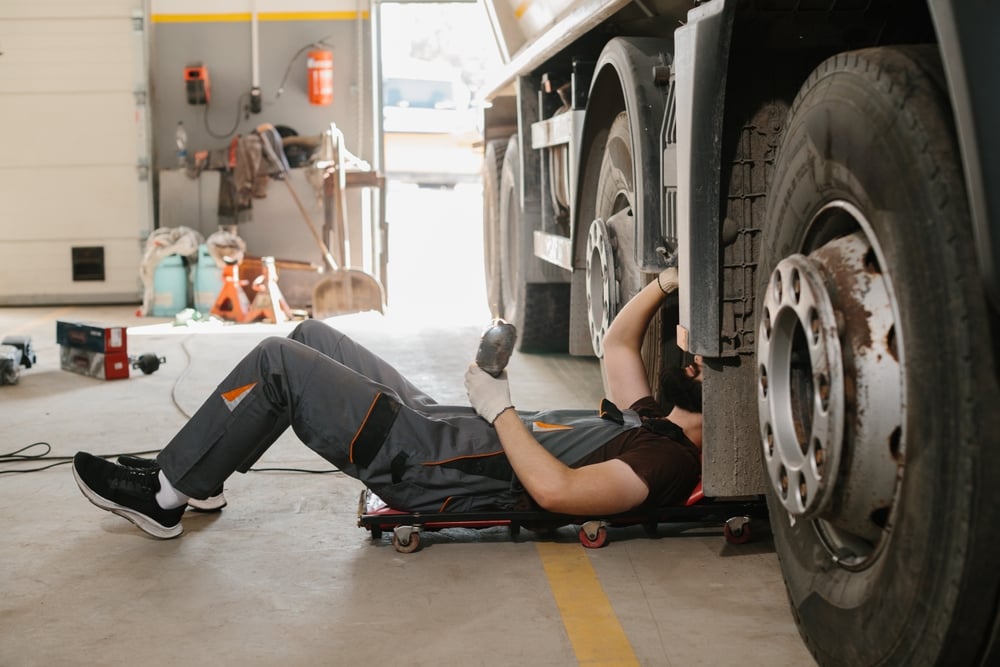
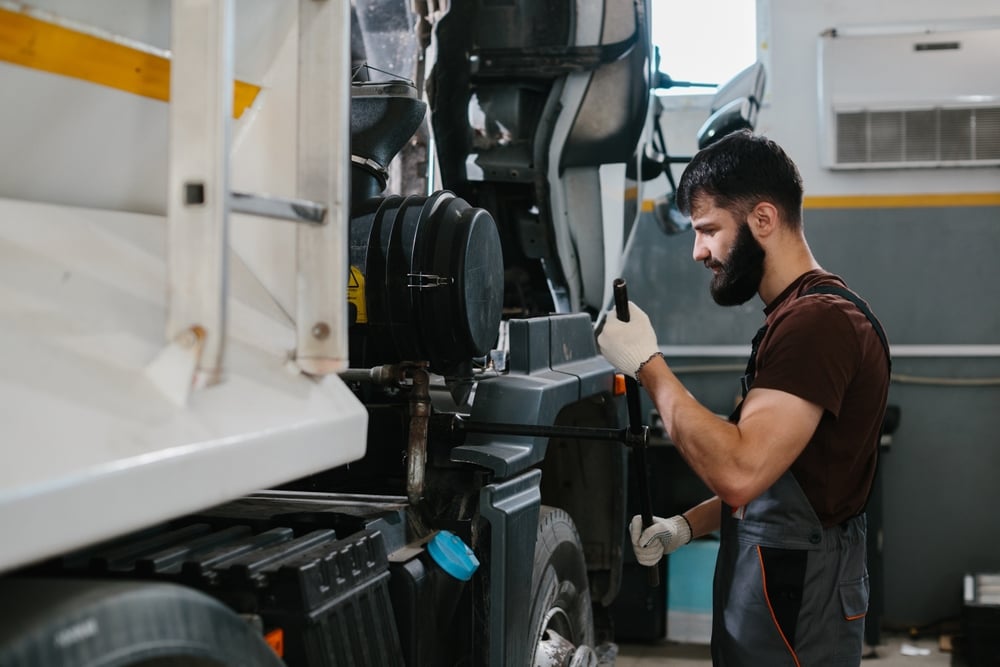
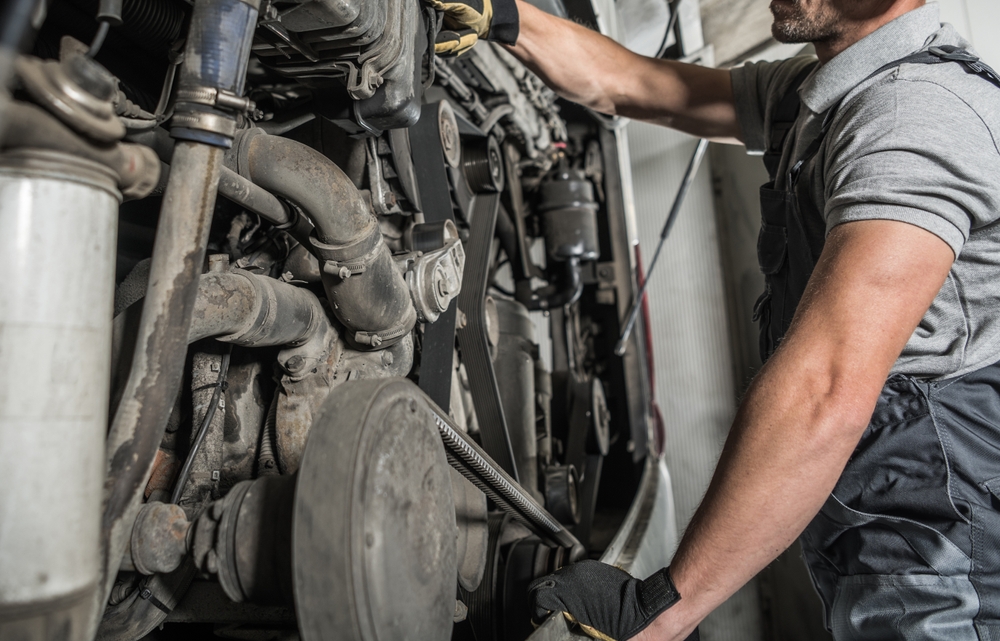
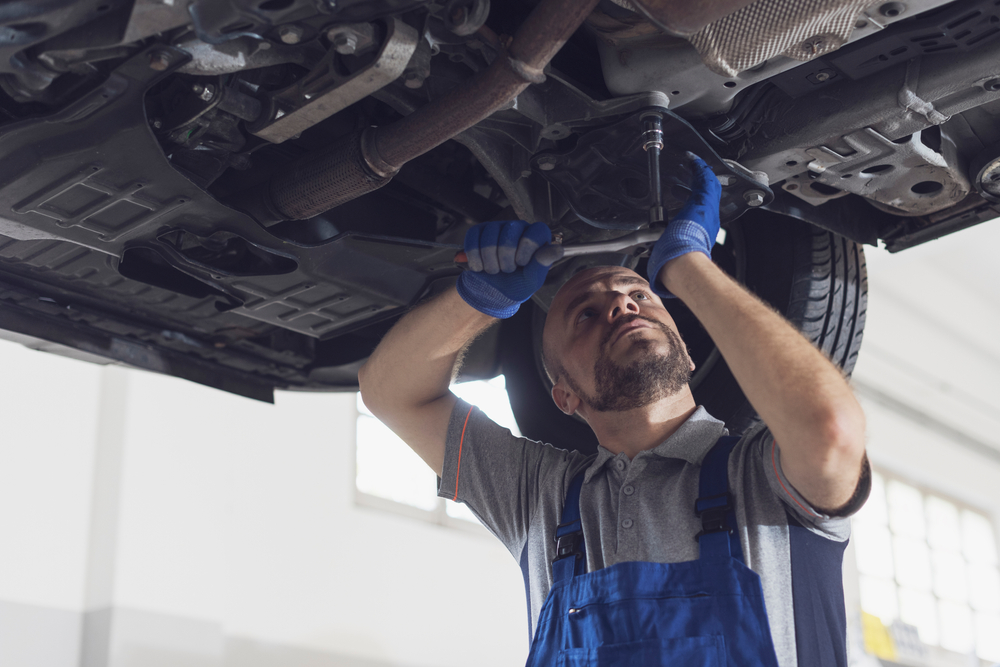
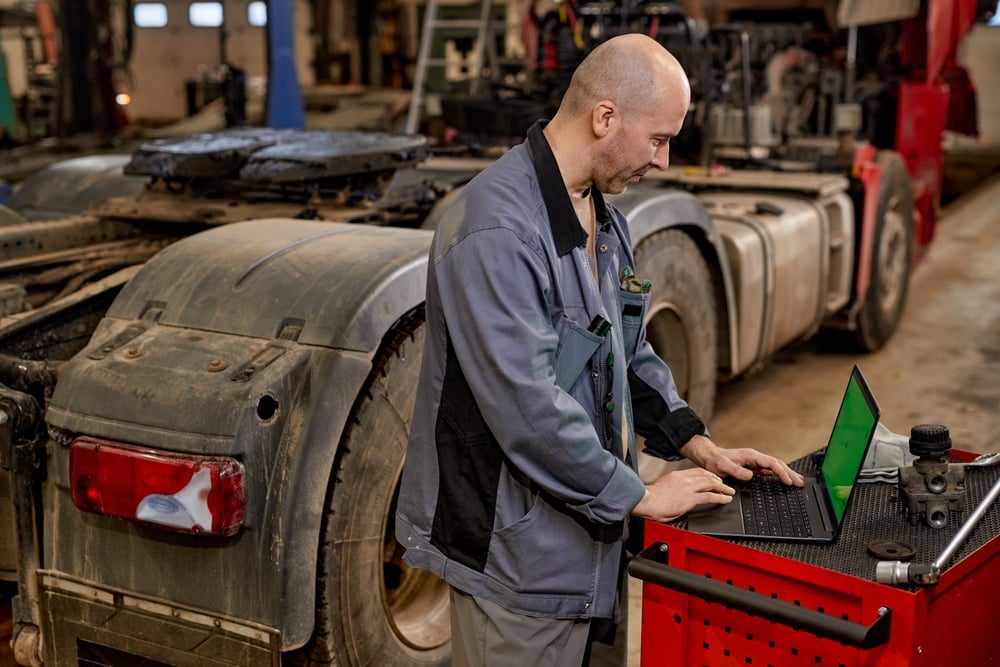
During the inspection, a certified inspector reviews important vehicle components, including brakes, tires, lights, and other safety systems. These checks help identify mechanical issues before they lead to breakdowns or accidents.
For truck drivers and fleet owners, staying current with annual inspections helps avoid penalties, reduce downtime, and keep vehicles road-ready. After the inspection, a report is provided showing the results and confirming compliance.
Key Components of a DOT Annual Inspection
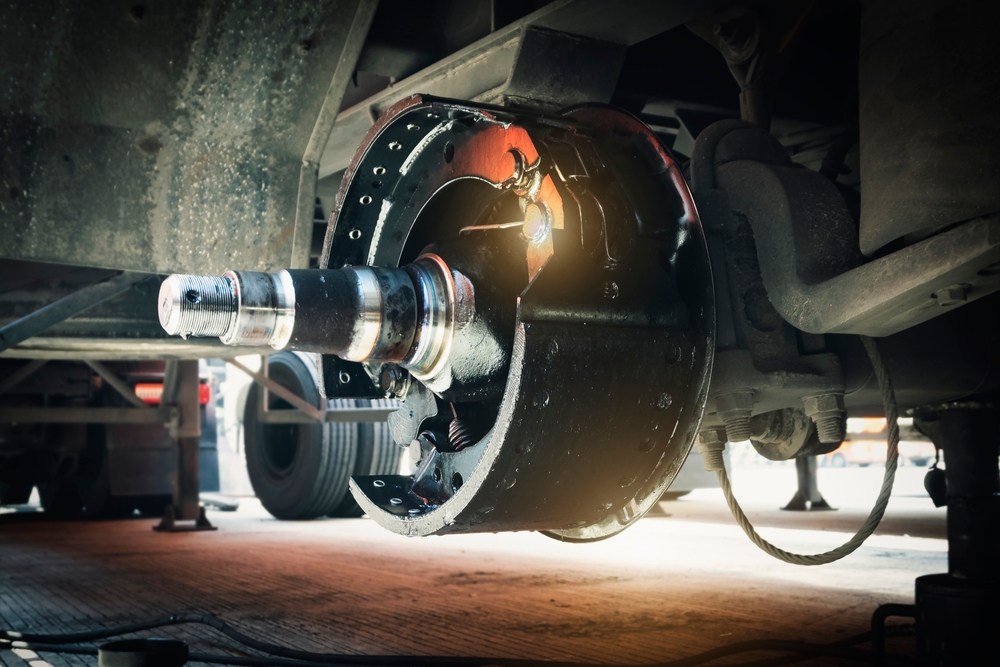
When you bring your vehicle in for an Annual DOT Inspection, the inspector will meticulously check various components to ensure everything meets the required standards. One of the most critical parts they’ll examine is the braking system. Brakes are vital for safety, and any deficiencies can lead to severe accidents. The inspector will check for wear, proper adjustment, and any potential fluid leaks.
Lighting and reflectors are also thoroughly examined. These components ensure that your vehicle is visible to other drivers, especially in poor visibility conditions. The inspector will check for proper functioning of headlights, brake lights, and turn signals, making sure all reflectors are intact and visible.
Steering mechanisms undergo a detailed evaluation. Proper steering is essential for vehicle control, so the inspector will look for any looseness or play in the steering wheel and will inspect the steering linkage for wear. This evaluation is crucial for maintaining control over your vehicle, particularly in emergency situations.
Tires and wheels are another focal point during the inspection. The inspector will ensure that tires have adequate tread depth and are free from damage or excessive wear. The wheels are checked for cracks, and lug nuts are reviewed for tightness. Proper tire condition is essential for grip and stability on the road.
Lastly, the vehicle’s suspension system is reviewed. The inspector will look for any signs of wear or damage that might affect ride quality or safety. Suspension issues can lead to poor handling and increased stopping distances, which are significant safety concerns.
Common Issues Found During DOT Inspections
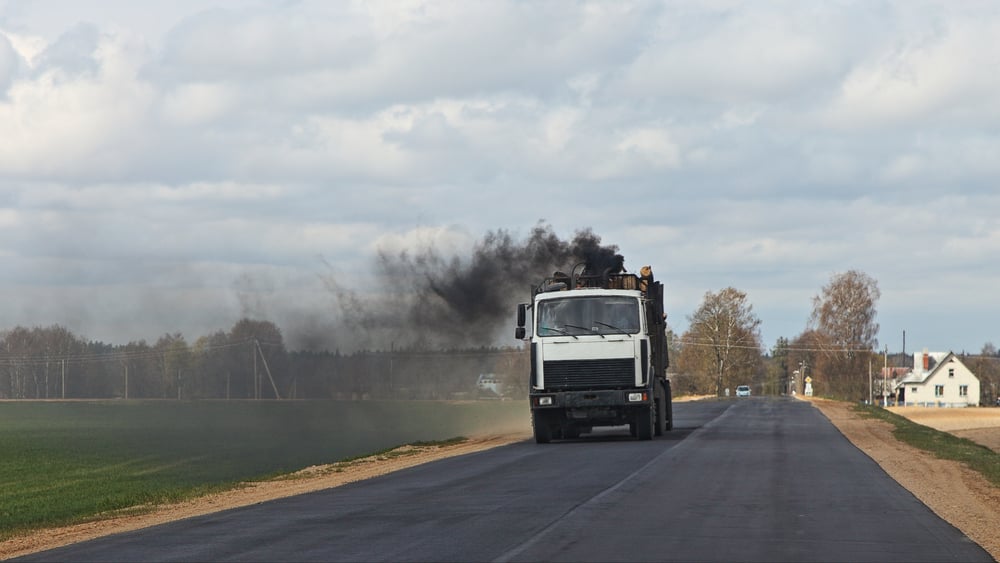
DOT inspections help identify safety issues that could affect vehicle performance and road safety. Inspectors check several key components to ensure commercial vehicles are operating properly and meeting federal requirements. Common problems found during inspections include:
- Brake system issues – Worn brake pads, fluid leaks, or improper adjustments can reduce stopping ability and create safety risks
- Lighting problems – Broken headlights, brake lights, or reflectors can impact visibility and increase accident risks
- Tire damage or wear – Low tread depth, sidewall damage, or improper inflation can lead to blowouts and handling problems
- Steering concerns – Loose or worn steering components can make vehicles harder to control and unsafe to operate
- Suspension problems – Damaged or worn suspension parts can affect vehicle stability, handling, and overall safety
The Benefits of Regular DOT Inspections
Regular DOT inspections help keep commercial vehicles safe, reliable, and compliant with federal regulations. By identifying potential problems early, these inspections help fleets reduce downtime, avoid costly repairs, and keep vehicles operating efficiently.
| Benefit | How It Helps Your Fleet |
| Improved safety | Identifies potential issues before they become serious safety concerns |
| Reduced downtime | Helps prevent unexpected breakdowns by catching problems early |
| DOT compliance | Ensures vehicles meet safety requirements and helps avoid penalties |
| Better reliability | Keeps trucks operating efficiently and reduces unexpected repairs |
| Driver confidence | Gives drivers peace of mind knowing vehicles are safe and maintained |
Maintaining Compliance Year-Round
Staying compliant with DOT regulations requires ongoing maintenance, regular inspections, and accurate record-keeping. Fleet managers should schedule routine maintenance checks to identify potential issues before they lead to breakdowns, safety concerns, or compliance violations. Consistent vehicle care helps extend the life of your trucks and keeps your fleet operating efficiently.
Drivers also play an important role in maintaining compliance by completing pre-trip inspections and reporting any issues they notice. Keeping detailed records of inspections, repairs, and maintenance services provides proof of compliance and helps fleet managers track vehicle performance over time. By combining regular maintenance, proper documentation, driver awareness, and communication with service professionals, businesses can maintain a safer and more reliable fleet year-round.
DOT Inspections FAQs
Can I do my own DOT annual inspection?
Performing your own DOT annual inspection isn’t typically allowed unless you’re a certified inspector. The Federal Motor Carrier Safety Regulations require that inspections are conducted by qualified personnel. These individuals must have the necessary training or experience to ensure vehicles meet safety standards. If you’re not certified, it’s best to have your vehicle inspected by an authorized professional to ensure compliance and safety.
What does a DOT annual inspection consist of?
A DOT annual inspection covers a comprehensive check of your vehicle’s safety features. Key components include brakes, lights, steering mechanism, tires, and suspension. Inspectors also examine the vehicle’s frame, fuel system, and exhaust system. The goal is to ensure all parts are functioning properly and meet safety standards, minimizing risks on the road.
What is an annual DOT inspection?
An annual DOT inspection is a mandatory safety check for commercial vehicles operating in the U.S. It’s required by the Department of Transportation to ensure vehicles meet specific safety standards. This yearly inspection includes a thorough review of critical components like brakes, tires, and lighting. The goal is to enhance road safety and compliance with federal regulations.
How often is a DOT inspection required?
Commercial vehicles are generally required to complete a DOT inspection once every 12 months. This annual inspection helps ensure that safety systems and equipment remain in proper working condition. Fleet owners should also perform routine maintenance throughout the year to address issues between inspections and maintain compliance.
What happens if a truck fails a DOT inspection?
If a truck fails a DOT inspection, the identified issues must be repaired before the vehicle can safely return to service. Serious safety violations may result in the vehicle being placed out of service until repairs are completed. Addressing problems quickly and keeping accurate maintenance records can help prevent delays and compliance issues.
Annual DOT Inspection: Keeping Your Fleet Safe and Compliant
Annual DOT Inspections play an important role in keeping commercial vehicles safe, reliable, and compliant with federal regulations. Regular inspections help identify potential issues with critical vehicle components, reduce downtime, and ensure trucks are ready for the road. Staying proactive with maintenance and compliance can help fleet owners avoid costly repairs and safety violations.
As a trusted diesel repair company serving Houston, Texas, we help businesses maintain safe and reliable heavy-duty trucks and fleet vehicles. Our team provides professional inspection support, maintenance services, and repairs designed to keep commercial vehicles operating efficiently and meeting safety requirements.
Need help preparing your truck for an Annual DOT Inspection? Contact us today to schedule reliable fleet maintenance, inspections, and repair services that help keep your vehicles compliant and road-ready.