Hydraulic systems play an important role in powering construction equipment, industrial machinery, and other heavy-duty equipment. However, hydraulic leaks can reduce performance, increase maintenance costs, and lead to equipment damage if they are not addressed early. Knowing the warning signs can help businesses find leaks sooner, prevent larger problems, and keep equipment running properly.
Key Takeaways
- Early detection of hydraulic leaks can prevent costly repairs and downtime
- Visual inspections are crucial for spotting discoloration, puddles, and wet spots
- Listen for unusual sounds such as hissing or grinding that may indicate a leak
- Utilize tools like leak detection fluids and UV flashlights for pinpoint accuracy
- Regular monitoring and maintenance can keep your hydraulic systems running smoothly
Recognizing the Signs of a Hydraulic Leak
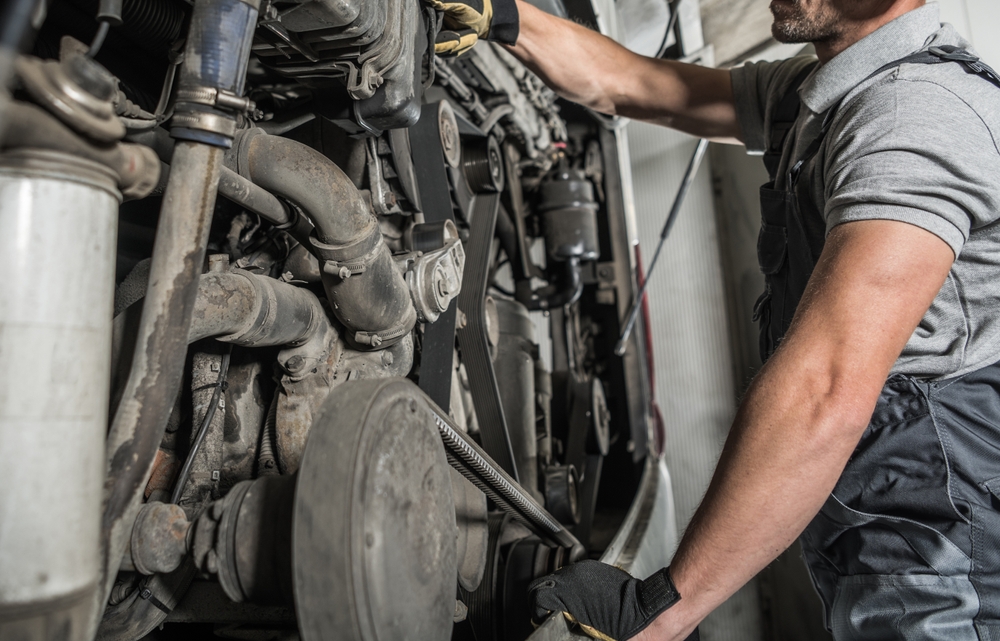
Catching a hydraulic leak early can help prevent equipment damage, costly repairs, and downtime. Regular inspections make it easier to spot small changes before they become larger problems. Look for these common signs when checking hydraulic equipment:
| Sign of a Hydraulic Leak | What to Look For |
| Discoloration | Unusual stains, marks, or fluid spots around the equipment may indicate a leak. |
| Hydraulic Fluid Odor | A strong or unusual hydraulic fluid smell can be a sign that fluid is escaping. |
| Puddles or Wet Spots | Fluid under or around the equipment is a clear sign of a possible leak. |
| Poor Equipment Performance | Slow, weak, or uneven operation can occur when the system loses hydraulic fluid. |
| Pressure Loss | A sudden drop in hydraulic pressure may indicate a leak within the system. |
Regularly checking for these warning signs can help identify hydraulic leaks before they lead to more serious equipment problems.
Tools You’ll Need to Detect Hydraulic Leaks
Finding hydraulic leaks can be easier with the right tools. A few basic items can help you inspect equipment, find hard-to-see leaks, and identify problem areas. Some of the most useful tools include:
- Flashlight: Helps you see leaks in dark or hard-to-reach areas.
- Clean Rags or Paper Towels: Remove dirt and fluid buildup so leaks are easier to spot.
- Leak Detection Fluid: Can help identify the source of leaks that are difficult to see.
- Wrench Set: Useful for checking and tightening loose fittings and connections.
- Inspection Mirror: Helps you look behind or around equipment components without taking them apart.
While these tools can help identify potential problems, hydraulic leak repairs are best handled by trained professionals. At Ares Diesel Repair Inc., we take care of it all for you, from finding the source of a hydraulic leak to making the necessary repairs and getting your equipment back to work.
Inspecting Hydraulic Hoses and Fittings
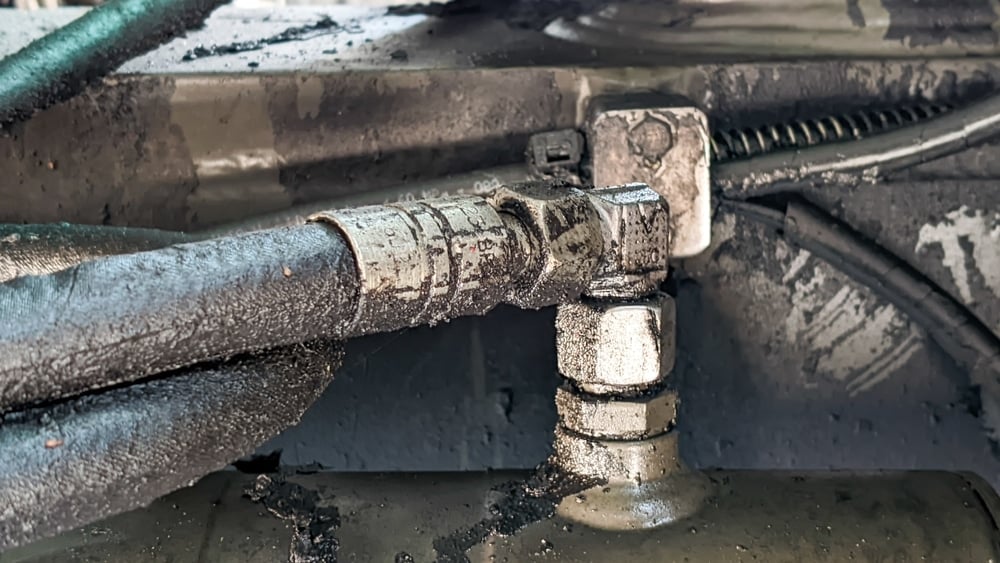
Hydraulic hoses and fittings can wear out over time and cause leaks. Regular inspections can help you find problems early and prevent more serious equipment issues. Check hoses for cracks, blisters, cuts, or worn areas. Make sure fittings are tight and properly aligned, and look for rust or corrosion around connections. You should also check the hoses for bumps or bulges, which can indicate internal damage. Finally, inspect protective covers for damage or missing sections, as these covers help protect hoses from wear.
Listening for Unusual Sounds in the Hydraulic System
Unusual sounds can be an early sign of a hydraulic leak or other system problem. Paying attention to changes in how your equipment sounds can help you catch issues before they become more serious. Listen for hissing or whistling sounds, which may indicate a leak or pressure problem. Grinding or squeaking can point to poor lubrication caused by low fluid levels. A change in the equipment’s normal operating sound may also indicate a loss of hydraulic pressure. Knocking sounds can be a sign of air in the system, which may be caused by a leak. If you notice any unusual sounds, have the system inspected to prevent further damage.
Using Leak Detection Fluids and Equipment
Some hydraulic leaks can be difficult to find with a basic visual inspection. Special tools can make it easier to locate small or hidden leaks and determine where repairs are needed. Leak detection fluids can make small leaks easier to see by changing color when they come into contact with hydraulic fluid. A UV flashlight can also help identify leaks when fluorescent dye is added to the system. Electronic leak detectors can detect sounds or pressure changes that may point to a leak. A pressure gauge can help identify sudden drops in system pressure, while a thermal camera can detect temperature changes around leaking fluid. These tools can help locate hard-to-find leaks, but professional inspection and repairs can help prevent further equipment damage.
Hydraulic Leaks FAQs
What are the most common causes of hydraulic leaks?
Hydraulic leaks often stem from worn-out seals, damaged hoses, or loose fittings. These issues can arise due to regular wear and tear, exposure to extreme temperatures, or contamination within the hydraulic fluid. In some cases, poor maintenance or incorrect installation of hydraulic components can also lead to leaks. Regular inspections and proper upkeep can help in identifying and mitigating these issues early on.
Can you drive with a hydraulic leak?
Driving with a hydraulic leak is generally not safe. Hydraulic systems are crucial for operating brakes, steering, and other vital functions. A leak can lead to reduced performance or complete failure, posing significant safety risks. It’s best to address any suspected leaks promptly to avoid accidents or further damage. If you notice signs of a leak, it’s wise to consult a mechanic as soon as possible.
Can I fix a hydraulic leak myself?
Fixing a hydraulic leak yourself is possible if you’re familiar with the system and have the right tools. Simple issues like tightening loose fittings can be done by DIY enthusiasts. However, if the problem involves complex components or if you’re unsure of the cause, it’s safer to seek professional assistance. Incorrect repairs can exacerbate the issue and lead to costly damage, so proceed cautiously.
What are the common signs of a hydraulic leak?
Common signs of a hydraulic leak include puddles or wet spots under the vehicle, a noticeable drop in fluid levels, or a decrease in system performance. You might also hear unusual noises or experience difficulty in operating hydraulic components like brakes or steering. Keep an eye out for warning lights on your dashboard, as they can indicate a problem with the hydraulic system. Regular checks can help catch these signs early.
How can hydraulic leaks be prevented?
Regular maintenance and inspections can help prevent hydraulic leaks. Check hoses, fittings, seals, and fluid levels for signs of wear or damage. Replacing worn components and addressing small problems early can help prevent larger leaks and costly repairs. Proper maintenance can also help keep hydraulic equipment operating safely and efficiently.
Prevent Hydraulic Leaks With Early Detection
Hydraulic leaks can lead to equipment damage, reduced performance, and costly downtime when they are not addressed early. Watching for signs such as fluid spots, unusual sounds, damaged hoses, and pressure loss can help identify problems before they become more serious.
As a diesel repair company serving Houston, we help businesses identify and address hydraulic issues. Our experienced technicians use advanced diagnostic tools to pinpoint the root cause of leaks, pressure loss, and pump failures before they lead to costly downtime. From quick repairs to full system overhauls, we get your equipment back to peak performance so your operations stay on schedule.
Need help finding or repairing a hydraulic leak? Contact us to schedule professional hydraulic repair and keep your equipment operating properly.