Owning a heavy-duty truck in Houston’s heat means keeping the cooling system in top shape. When it starts to fail, performance suffers, and you risk getting stranded on a scorching Texas highway. Strange noises, unusual smells, or a temperature gauge that keeps creeping up are all signs your truck may need cooling repairs.
Key Takeaways
- Strange noises from the engine area can indicate cooling system issues
- Unusual smells when the AC is on might hint at coolant leaks or mold
- A rising temperature gauge signals potential overheating problems
- Decreased cooling efficiency impacts comfort, especially in hot climates
- Frequent coolant top-ups suggest leaks or system failures
Overview: Signs Your Heavy-Duty Truck Needs Cooling Repairs
Catching cooling system trouble early can save your engine and keep you off the roadside in Houston’s heat. The table below summarizes the five warning signs, what causes them, and what to do about each one.
| # | Sign | What You’ll Notice | Likely Causes | Recommended Action |
| 1 | Strange noises from the engine area | Clanking, hissing, metallic sounds, or constant knocking under the hood | Failing water pump or a radiator fan problem | Have the truck inspected right away |
| 2 | Rising temperature gauge | Gauge creeps upward while driving | Overheating engine from a coolant system problem | Get cooling repair immediately to avoid engine damage |
| 3 | Unusual smells when the AC is on | Sweet, syrupy, burning, or musty odors | Coolant leak, overheating components, failing AC compressor, or a clogged air filter or evaporator | Address the source early, and have burning smells checked right away |
| 4 | Decreased cooling efficiency in the cabin | Weak airflow or warm air from the vents | Low refrigerant, failing compressor, dirty filters, or clogged vents | Schedule AC repair as soon as performance declines |
| 5 | Frequent need for coolant top-ups | Regularly adding coolant to the system | Leaks or cracks in the radiator, hoses, or other components | Get a professional cooling system repair to find and fix the leak |
1. Strange Noises Coming from the Engine Area
Your truck’s engine should run with a steady, familiar hum. A clank, hiss, or metallic sound under the hood is a red flag that your cooling system may be in trouble. A failing water pump is one common cause. It circulates coolant through the system, and if it fails, your engine can overheat.
A constant knocking may point to a problem with the radiator fan, which is critical for keeping your truck’s temperature in check. Don’t ignore these sounds. Left alone, they can lead to bigger problems and costly repairs. Having your truck inspected right away can stop a small issue from becoming a major one.
2. Unusual Smells When the AC Is On
Your truck’s AC should blow clean, odor-free air. If a strange smell hits you when you turn it on, your cooling system may have a problem. A sweet, syrupy scent often signals a coolant leak. A burning smell can point to overheating components or a failing AC compressor, which needs attention right away.
A musty or moldy odor suggests a clogged air filter or evaporator. In Houston’s humid climate, moisture builds up easily and leads to mold, which hurts both air quality and AC efficiency. Catching these smells early can save you from bigger repairs and keep your AC working well.
3. Rising Temperature Gauge on the Dashboard
Your temperature gauge should stay steady while you drive. If it starts creeping upward, your cooling system may be nearing failure. A climbing gauge often signals an overheating engine, usually caused by a coolant system problem. Think of it as an early warning that lets you act before a full breakdown.
Ignoring it can lead to severe engine damage. Addressing temperature spikes quickly can prevent costly repairs. If you notice the gauge rising, call for expert cooling repair right away to keep your truck reliable, even in the hottest weather.
4. Decreased Cooling Efficiency in the Cabin
If you crank up the AC on a sweltering day and get weak airflow or warm air, something is wrong with your truck’s air conditioning system. Low refrigerant or a failing compressor are common causes. In Houston’s heat, efficient cabin cooling is essential for both comfort and safety. Dirty filters and clogged vents can also cut into performance. Regular maintenance helps keep the system in check. If you notice a decline in cooling, schedule AC repair right away to keep your cab comfortable year-round.
5. Frequent Need for Coolant Top-Ups
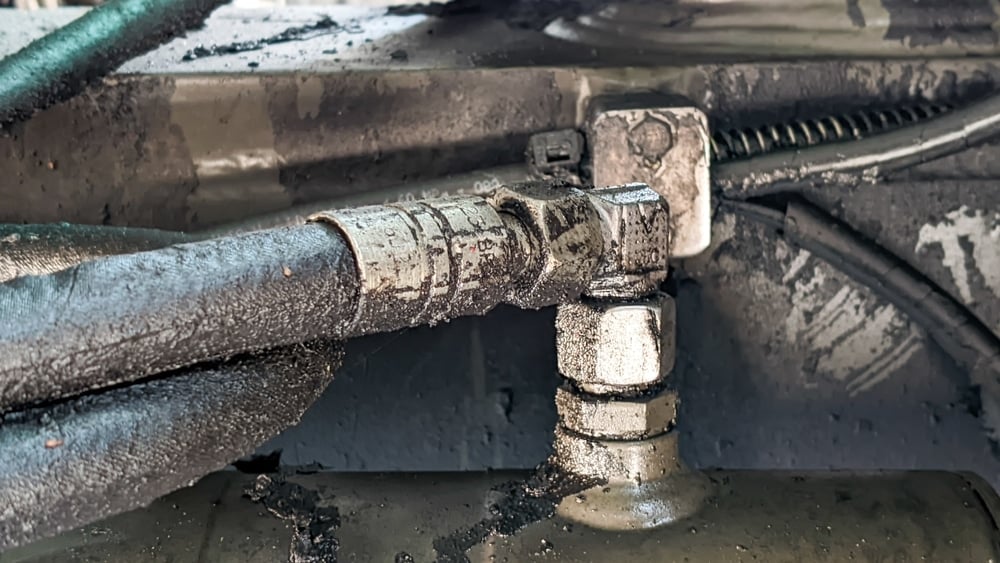
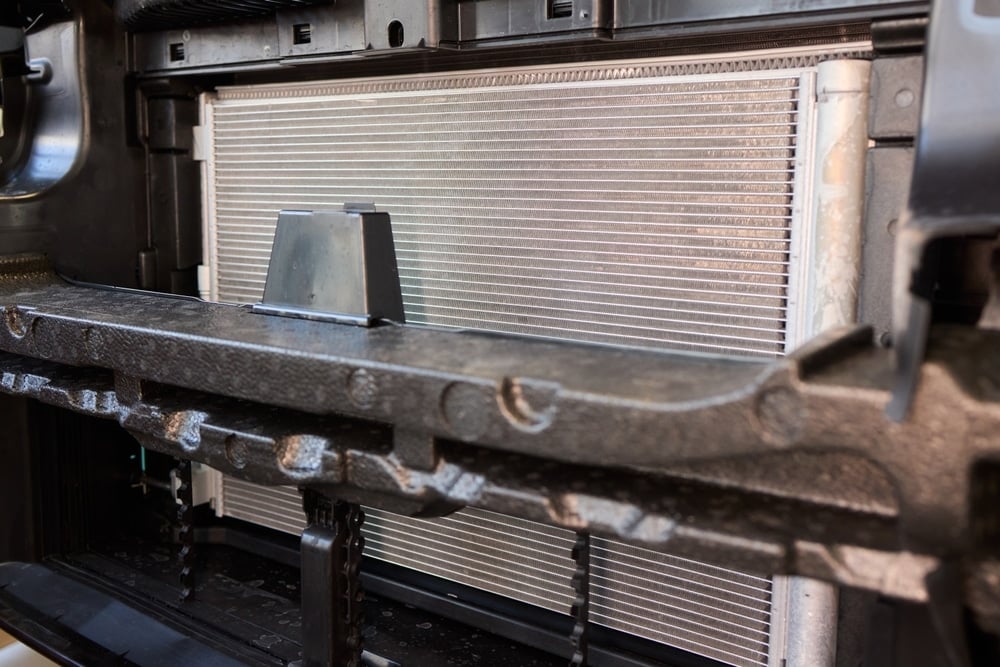
Your truck’s cooling system is a closed loop, so it shouldn’t need regular coolant top-ups. If you’re adding coolant often, you likely leak. A drop in coolant level usually points to cracks or holes in the radiator, hoses, or other components. Have these inspected as soon as you notice the level falling. Ignoring a leak can lead to overheating and serious engine damage. A professional cooling system repair can find the source and fix it before it gets worse, so don’t wait for an emergency.
Tips for Preventive Maintenance to Avoid Future Cooling Repairs
Preventive maintenance is your best defense against unexpected cooling system failures. Regular inspections catch wear early and save you from costly repairs down the line.
- Inspect components regularly. Look for signs of wear, cracks, or leaks in the radiator and other cooling system parts.
- Flush and replace coolant on schedule. Follow the manufacturer’s recommended intervals to keep the system running efficiently.
- Check hoses and belts. Catching cracks or wear early prevents failures that could leave you stranded.
- Get a professional inspection at least once a year. A trusted technician can spot issues you might overlook and keep your cooling system in top shape.
- Schedule routine check-ups. Consistent maintenance extends the life of your cooling system, keeps repair costs low, and keeps your truck ready for any Texas road.
Heavy-Duty Truck Cooling FAQs
What causes a heavy-duty truck to overheat?
Heavy-duty trucks can overheat due to several factors. Common causes include low coolant levels, a faulty thermostat, a blocked radiator, or a malfunctioning water pump. Additionally, extreme weather conditions and heavy loads can put extra stress on the cooling system. Regular maintenance is crucial to prevent these issues from escalating. Keep an eye on your temperature gauge and coolant levels to catch potential problems early.
How often should a truck cooling system be inspected?
It’s a good idea to have your truck’s cooling system inspected every 12,000 to 15,000 miles or at least once a year. Regular inspections help spot potential problems before they become costly repairs. During these checks, focus on coolant levels, hoses, belts, and radiator condition. Consistent maintenance can significantly extend the life of your cooling system and keep your truck running smoothly.
What are common signs of a cooling system problem?
If your truck is experiencing cooling system issues, you might notice signs like an overheating engine, frequent coolant leaks, or strange noises from under the hood. Other symptoms include the heater not working properly or the temperature gauge fluctuating. If you encounter any of these signs, it’s wise to have your truck checked by a professional as soon as possible.
Can a coolant leak damage a diesel engine?
Yes, a coolant leak can cause significant damage to a diesel engine if left unchecked. Coolant is essential for regulating engine temperature and preventing overheating. A leak can lead to low coolant levels, causing the engine to overheat and potentially suffer severe damage. It’s crucial to address any leaks immediately to prevent costly repairs and maintain engine health.
How can fleets prevent heavy-duty truck overheating?
Preventing overheating in heavy-duty trucks involves regular maintenance and proactive measures. Ensure coolant levels are adequate and replace coolant as needed. Regularly inspect hoses, belts, and the radiator for signs of wear or damage. Investing in high-quality coolant and maintaining a clean radiator can also help. Training drivers to recognize early signs of overheating is another key strategy for fleet management.
Get Heavy-Duty Truck Cooling Repairs Before It’s Too Late
Strange noises, a rising temperature gauge, unusual AC smells, weak cabin cooling, and frequent coolant top-ups are all signs your truck’s cooling system needs attention. Catching these problems early prevents overheating, protects your engine, and keeps you off the roadside. Pairing quick repairs with regular preventive maintenance is the best way to avoid costly breakdowns.
As a heavy-duty truck repair shop in Houston, we help local fleets and owner-operators keep their trucks cool and reliable in the Texas heat. Our experienced technicians diagnose and fix cooling system problems so you can get back on the road with confidence.
Is your truck showing any of these warning signs? Contact us today and let our team get your cooling system back in top shape.