
Mobile Diesel Repair for Commercial Trucks, Fleets, and Vocational Equipment in Greater Houston
When a commercial truck goes down, the problem is not just the repair bill. It is the lost route, the missed load, the delayed concrete pour, the idle crew, the late delivery, and the customer waiting on equipment that cannot move.
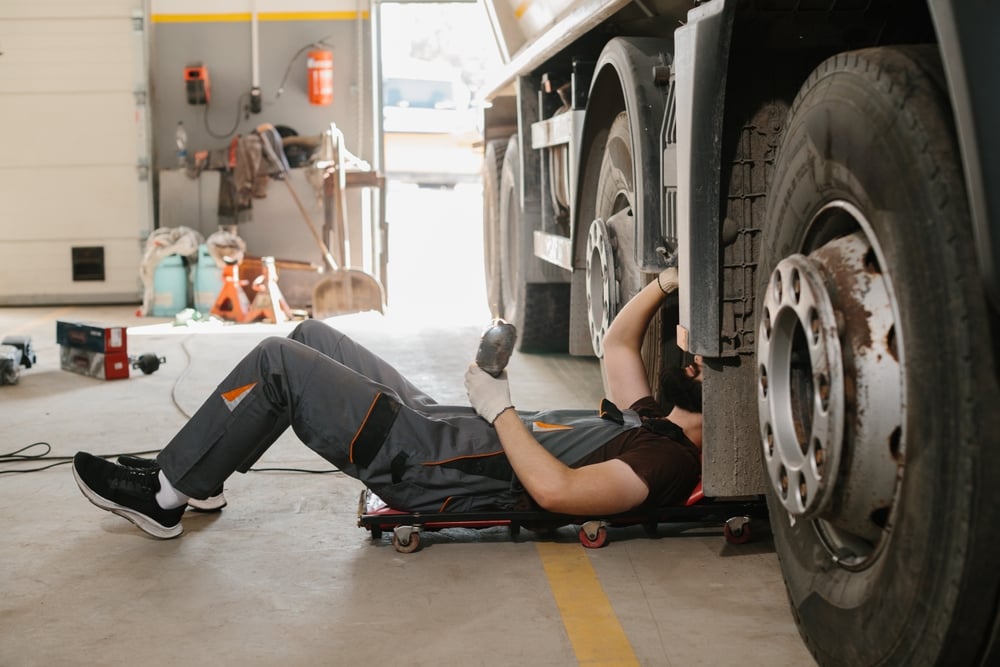
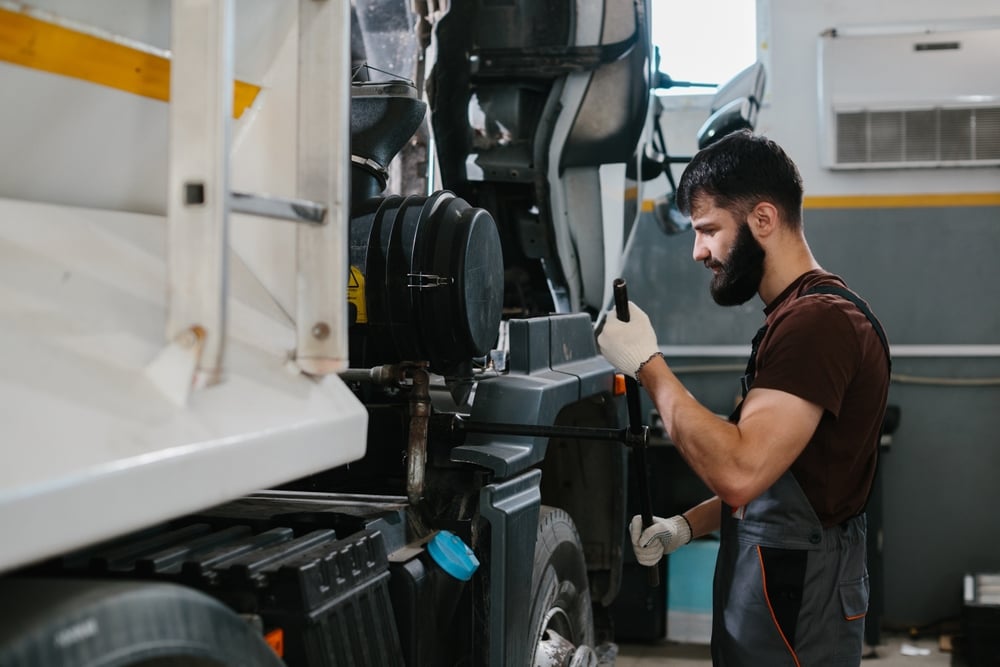
That is why mobile diesel repair has become such an important service for fleets across Greater Houston. A properly equipped mobile diesel repair company can do much more than jump-start a truck or replace a coolant hose on the side of the road. Many diesel problems can be diagnosed and repaired directly at your fleet yard, jobsite, plant, industrial facility, or roadside location.
At Ares Diesel Repair, we provide mobile diesel repair, commercial truck repair, roadside diesel service, fleet maintenance, diagnostics, aftertreatment troubleshooting, air brake repair, cooling system repair, electrical troubleshooting, and DOT-related repairs throughout Greater Houston, including Spring, North Houston, Aldine, the IAH/Hardy area, Baytown, La Porte, Pasadena, Deer Park, and surrounding service areas.
The key is knowing what can safely and properly be repaired on-site and when a truck needs a shop environment. A good mobile diesel technician does not just show up, clear codes, and hope the truck makes it down the road. The goal is to identify the root cause, repair the failure correctly, and help keep the truck working.
Mobile Diesel Repair Is Not Just Basic Roadside Assistance
A lot of people still think mobile diesel repair means basic roadside service: jump-starts, batteries, air leaks, coolant leaks, and minor emergency repairs. Those services are still important, but modern mobile diesel repair goes far beyond that. A real mobile diesel repair truck should be equipped to handle diagnostics, electrical testing, aftertreatment faults, air brake issues, cooling system failures, no-start conditions, derates, fuel system problems, preventive maintenance, and many component repairs on-site when the work area allows.
For commercial fleets, this is a major advantage. Instead of towing a truck across Houston, waiting for a shop opening, and losing one or more days of production, the technician comes to the truck. That can save time, reduce downtime, and help keep the fleet moving. This is especially valuable for:
- Construction fleets
- Ready-mix and concrete trucks
- Dump trucks
- Roll-off trucks
- Utility and service trucks
- Waste and hauling fleets
- Box trucks and delivery trucks
- Industrial and port-related fleets
- Local commercial trucks operating around Houston, Spring, Baytown, La Porte, Pasadena, Deer Park, Aldine, and the IAH/Hardy corridor
When your truck is down in a yard, at a plant, on a jobsite, or on the shoulder, mobile diesel repair gives you a faster path to answers.
What Can Usually Be Fixed On-Site?
Not every repair belongs in the field. Some jobs require a lift, a controlled shop environment, heavy teardown, machining, or specialized tooling. But many common commercial truck problems can be handled on-site by an experienced mobile diesel mechanic. Common on-site mobile diesel repair services include:
- Engine diagnostics
- Check engine light diagnostics
- No-start diagnostics
- Derate troubleshooting
- Forced regen diagnostics
- DPF and aftertreatment troubleshooting
- DEF system diagnostics
- SCR and NOx sensor faults
- Electrical troubleshooting
- Wiring and connector repairs
- Battery and charging system repairs
- Starter and alternator replacement
- Cooling system diagnostics
- Radiator, hose, thermostat, and coolant leak repairs
- Fuel system diagnostics
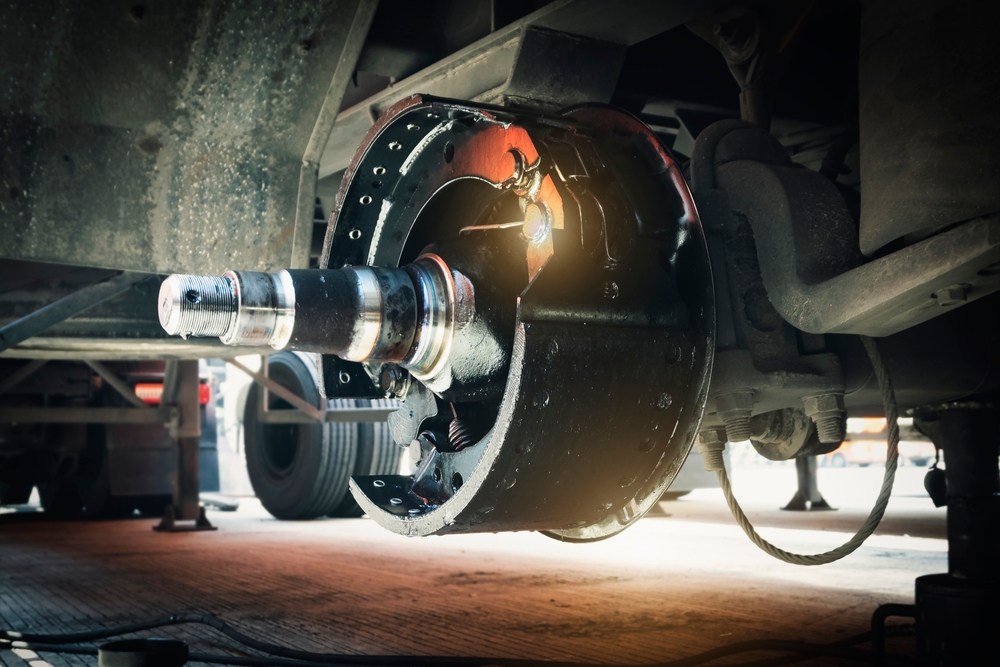
- Air brake diagnostics and repairs
- Air leaks, valves, chambers, and line repairs
- Preventive maintenance
- DOT-related repairs and inspection-prep items
- Fleet maintenance service
- Roadside diesel repair
- Commercial truck repair
- Mobile diesel truck service
- Selected drivetrain and component repairs when conditions allow
The phrase “when conditions allow” matters. A professional mobile diesel repair company should never overpromise. The location must be safe. There must be enough room to work. The weather, surface, access, tooling, parts availability, and repair complexity all matter. But when the conditions are right, many repairs can be completed without towing the truck to a shop.
Mobile Diesel Repair vs. Towing to a Shop
Towing a commercial truck is expensive. It also does not fix the truck. It only moves the problem somewhere else. In many cases, it makes more sense to diagnose the truck where it sits. If the repair can be completed on-site, the fleet saves on the tow bill, reduces downtime, and gets the truck back to work faster.
Mobile diesel repair is often the better first step when the truck has:
- A no-start condition
- A derate or power loss
- A check engine light
- An active aftertreatment fault
- An air leak
- A coolant leak
- A charging system issue
- A brake issue
- A sensor or wiring fault
- A failed hose, belt, starter, alternator, or component
- A roadside breakdown
- A problem in a fleet yard or jobsite
The biggest benefit is speed to diagnosis. A truck does not always need to be moved before someone can figure out what is wrong. In many cases, the right technician can come to the vehicle, connect diagnostic equipment, inspect the system, test the failure, and make a repair plan on-site. That is what separates true mobile diesel repair from basic roadside assistance.
Advanced Diagnostics Matter More Than Guessing
Modern diesel trucks are not simple mechanical machines anymore. They are electronic, emissions-controlled, sensor-driven systems. A fault code is not always the answer. It is the starting point. For example, a truck may show an aftertreatment fault, but the real problem may be a failed sensor, damaged wiring, DEF dosing issue, exhaust leak, boost problem, fuel issue, or engine performance issue causing the emissions system to react.
The same is true with electrical problems. A truck may have a no-start condition, but the cause could be batteries, starter draw, ignition signal, ECM power, grounds, relays, wiring, communication faults, or a module issue. This is why proper diagnostics matter. Ares Diesel Repair focuses on finding the cause of the failure instead of throwing parts at the truck. That means checking live data, verifying power and ground, inspecting wiring and connectors, testing components, reviewing fault history, and looking at the full system before recommending the repair.
For fleet owners and managers, this matters because guessing gets expensive. Replacing parts that do not fix the problem leads to repeat breakdowns, more downtime, and frustrated drivers. A good mobile diesel mechanic should be able to explain what failed, why it failed, what needs to be repaired now, and what may need attention soon.
Aftertreatment Problems Are One of the Biggest Causes of Downtime
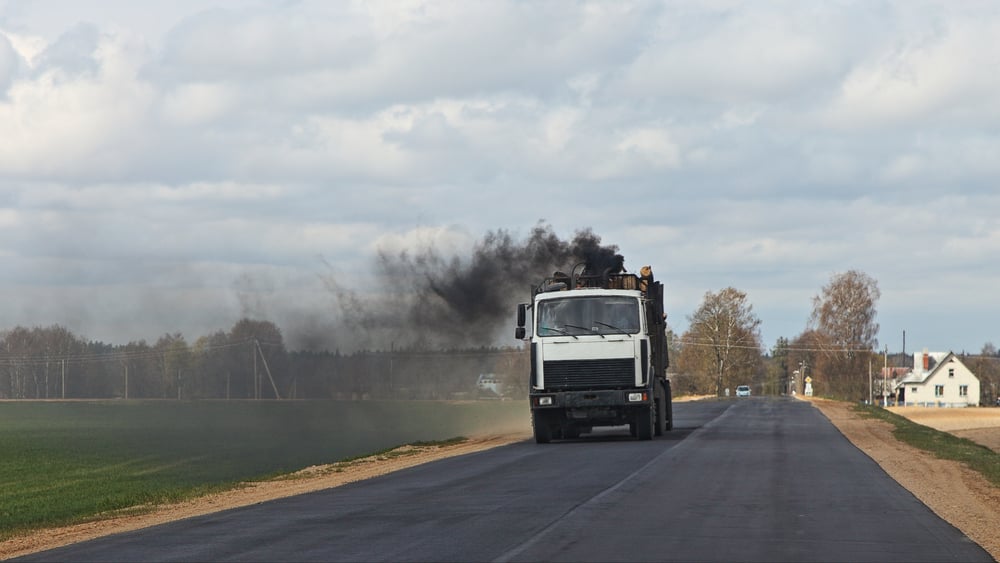
Aftertreatment systems are one of the most common reasons commercial diesel trucks lose power, derate, or stop operating properly. This is especially true for vocational fleets working in Houston traffic and heavy-duty environments. Trucks that idle often, run PTO equipment, operate at low speeds, haul heavy loads, work in dusty areas, or run short routes can be harder on aftertreatment systems than long-haul trucks.
Common aftertreatment problems include:
- DPF restrictions
- Failed or incomplete regenerations
- DEF dosing issues
- SCR efficiency faults
- NOx sensor failures
- Exhaust temperature sensor faults
- Differential pressure sensor faults
- DEF quality faults
- Wiring harness issues
- Corroded connectors
- Communication problems
- Exhaust leaks
- Engine performance issues affecting the emissions system
These problems are common on commercial trucks, including Kenworth, Peterbilt, Freightliner, International, Mack, Volvo, and other diesel platforms using engines such as PACCAR MX, Cummins, Detroit, and CAT applications. The important part is not just knowing the fault code. The important part is understanding what caused the fault.
A Forced Regen Is Not Always the Repair
One of the biggest mistakes in diesel repair is treating every aftertreatment problem like it only needs a forced regen. A forced regeneration can be useful under the right conditions. But it does not repair the root cause of the problem. If the truck has a bad NOx sensor, DEF dosing issue, failed temperature sensor, damaged wiring, plugged doser, exhaust leak, boost issue, fuel problem, or engine performance issue, a forced regen may not complete. Even if it does complete, the truck may derate again shortly after. That is why “just force a regen” is not a real diagnostic strategy.
A proper aftertreatment diagnostic process should answer questions like:
- Why did the DPF load increase?
- Did the truck fail a regen because of a sensor or system issue?
- Is the DEF system dosing properly?
- Are the NOx sensors reading correctly?
- Are the exhaust temperature sensors responding correctly?
- Is there an exhaust leak affecting readings?
- Is the engine creating excessive soot?
- Are there wiring or connector issues?
- Is the truck operating in a duty cycle that requires a maintenance strategy?
This is where a diagnostic-focused mobile diesel repair company can save a fleet money. The goal is not to clear the code for a day. The goal is to keep the truck working.
Fleet Maintenance Needs to Match the Way the Truck Is Used
A fleet truck that runs local routes around Spring, Baytown, La Porte, Pasadena, Deer Park, Aldine, North Houston, or the IAH corridor does not always need the same maintenance strategy as a highway truck. Vocational trucks work differently. Concrete trucks idle. Dump trucks work off-road.
Roll-off trucks stop and start all day. Utility trucks run PTO equipment. Delivery trucks run short trips. Port and industrial trucks deal with stop-and-go traffic, dust, heat, and tight schedules. That means fleet maintenance needs to be built around the actual operating conditions. Mobile fleet maintenance can include:
- Oil and filter service
- Fuel filter replacement
- Air filter replacement
- Greasing and chassis service
- Cooling system inspections
- Brake inspections and repairs
- Air leak checks
- Battery and charging system checks
- DOT-related repairs
- Lighting and electrical repairs
- Preventive inspections
- Aftertreatment checks
- Minor repairs before they become breakdowns
The goal of fleet maintenance is simple: find problems before they shut the truck down. A small coolant leak, weak battery, damaged wire, air leak, or active fault code may not seem urgent today. But if it turns into a roadside breakdown tomorrow, the cost is much higher.
Commercial Truck Repair at Your Yard, Jobsite, or Roadside Location
Mobile diesel repair is not only for emergencies. Many customers use mobile service because it keeps the repair process closer to their operation. Ares Diesel Repair can support commercial truck customers at:
- Fleet yards
- Construction sites
- Ready-mix plants
- Industrial facilities
- Warehouses
- Distribution centers
- Port-related facilities
- Municipal yards
- Roadside breakdown locations
- Customer job locations
For businesses in Greater Houston, traffic and towing delays can make shop-only repair a major problem. If a truck breaks down in Baytown, La Porte, Pasadena, Deer Park, Spring, Aldine, or North Houston, sending a mobile diesel mechanic can often be the fastest way to determine what needs to happen next. Sometimes the repair can be completed on-site. Sometimes the truck may still need to be moved. But either way, the fleet gets answers faster.
What Repairs Should Not Be Done On-Site?
A trustworthy mobile diesel repair company should also be honest about what should not be done in the field. Some repairs may require a shop because of safety, tooling, weather, contamination risk, heavy lifting, or the amount of teardown required. Examples may include:
- Major internal engine repairs
- Certain transmission or differential repairs
- Repairs requiring extensive lifting
- Major fabrication work
- Repairs needing machine-shop support
- Jobs where the location is unsafe
- Jobs where weather or ground conditions create risk
- Repairs where contamination control is critical
- Work requiring specialized shop-only equipment
This does not mean mobile service cannot help. It means the first step may be diagnosis, temporary stabilization, or determining whether the truck needs to be transported. The right answer is not always “we can do everything anywhere.” The right answer is “we will diagnose it correctly and recommend the safest, most cost-effective repair path.”
Why Houston Fleets Choose Mobile Diesel Repair
Greater Houston is a demanding market for commercial trucks. Between construction growth, industrial work, port activity, local delivery routes, traffic, heat, and heavy vocational use, trucks in this region work hard. Downtime costs money fast. Mobile diesel repair helps fleets by:
- Reducing unnecessary towing
- Shortening downtime
- Bringing diagnostics directly to the truck
- Keeping repairs closer to the operation
- Helping prevent repeat failures
- Supporting emergency breakdowns
- Handling fleet maintenance on-site
- Helping identify problems before they become major failures
For companies operating in Spring, North Houston, Aldine, Baytown, La Porte, Pasadena, Deer Park, the IAH/Hardy area, and surrounding Houston service areas, mobile diesel repair gives fleets a practical way to keep trucks moving without always waiting on a shop.
What Makes Ares Diesel Repair Different?
Ares Diesel Repair is built for commercial truck and fleet customers who need more than basic roadside help. We focus on practical diagnostics, clear communication, and repairs that make sense for the way the truck is actually used.
Whether the issue is an aftertreatment derate, air brake problem, electrical fault, cooling system failure, no-start condition, preventive maintenance need, or roadside breakdown, the goal is to find the cause and get the truck back to work. We work with customers who depend on their trucks every day:
- Construction companies
- Ready-mix operations
- Dump truck fleets
- Hauling companies
- Utility contractors
- Delivery fleets
- Industrial businesses
- Commercial truck operators
- Fleet managers throughout Greater Houston
Ares Diesel Repair provides mobile diesel repair and commercial truck service across Greater Houston, including Spring, North Houston, Aldine, the IAH/Hardy corridor, Baytown, La Porte, Pasadena, Deer Park, and nearby areas.
Need Mobile Diesel Repair in Greater Houston?
Keeping heavy-duty fleet trucks and box trucks running requires fast, reliable solutions when unexpected breakdowns, diagnostic issues, or maintenance needs arise. Mobile diesel repair services help reduce downtime by bringing experienced technicians directly to your location for efficient repairs and service.
As a trusted mobile diesel repair company serving Greater Houston, we provide on-site diesel services for commercial fleets, including roadside assistance, fleet maintenance, diagnostics, air brake repair, cooling system repairs, electrical troubleshooting, and DOT-related services.
Need reliable mobile diesel repair for your truck or fleet? Contact us today to schedule service at your fleet yard, jobsite, industrial facility, or roadside location.