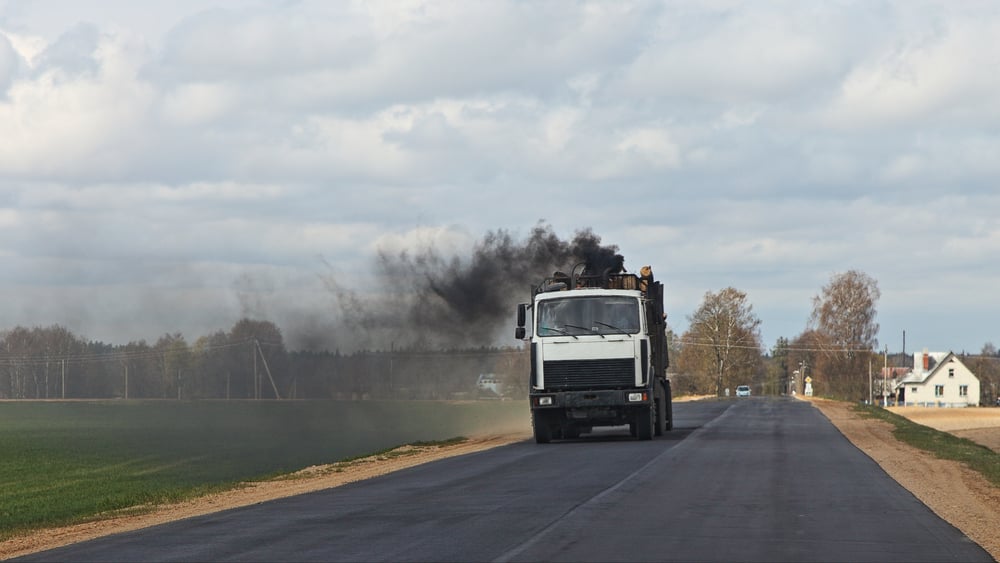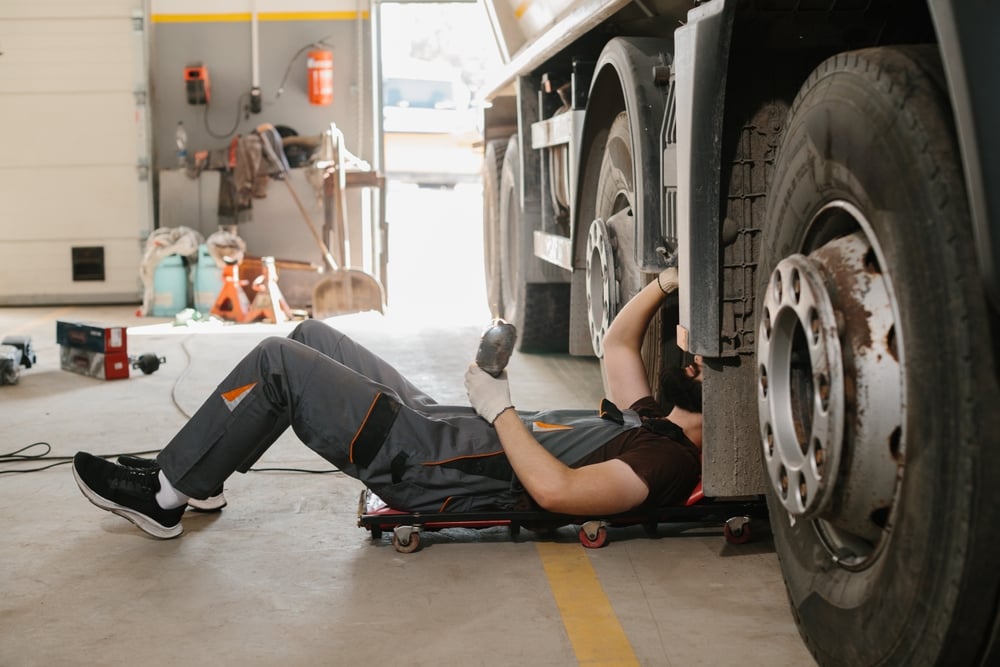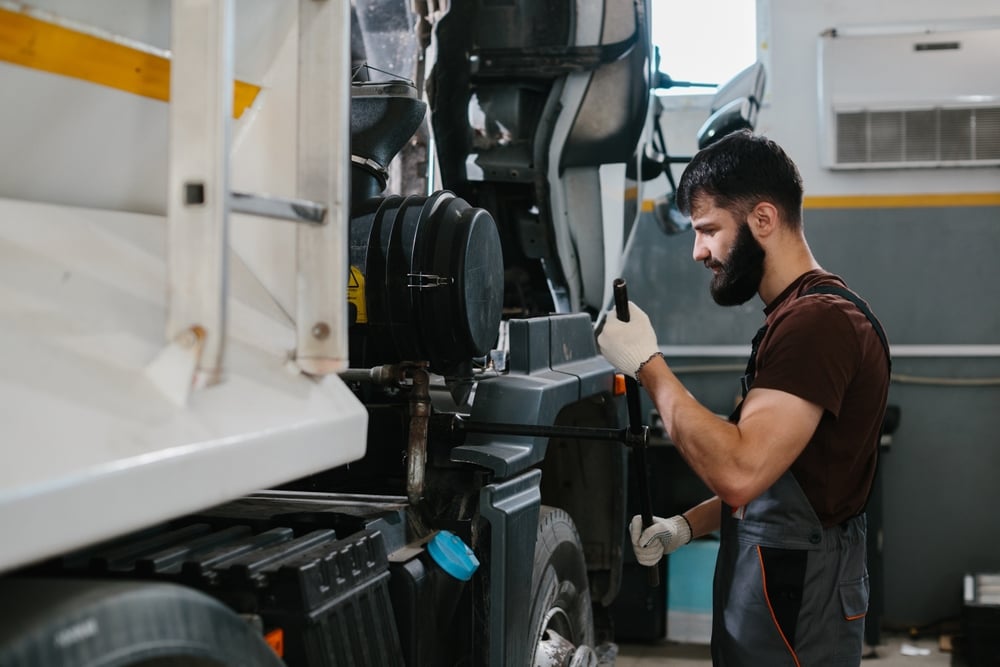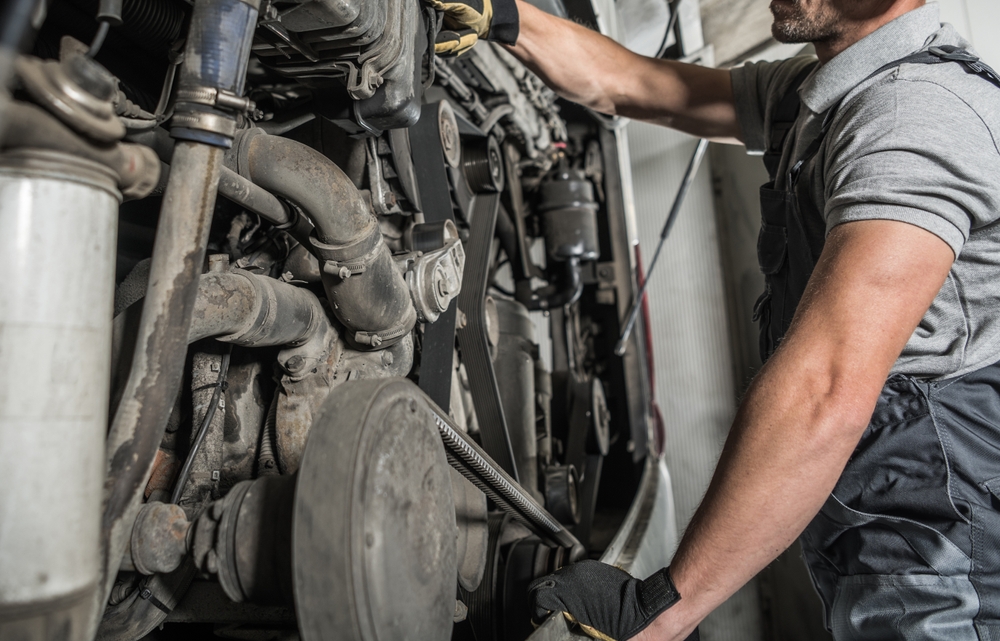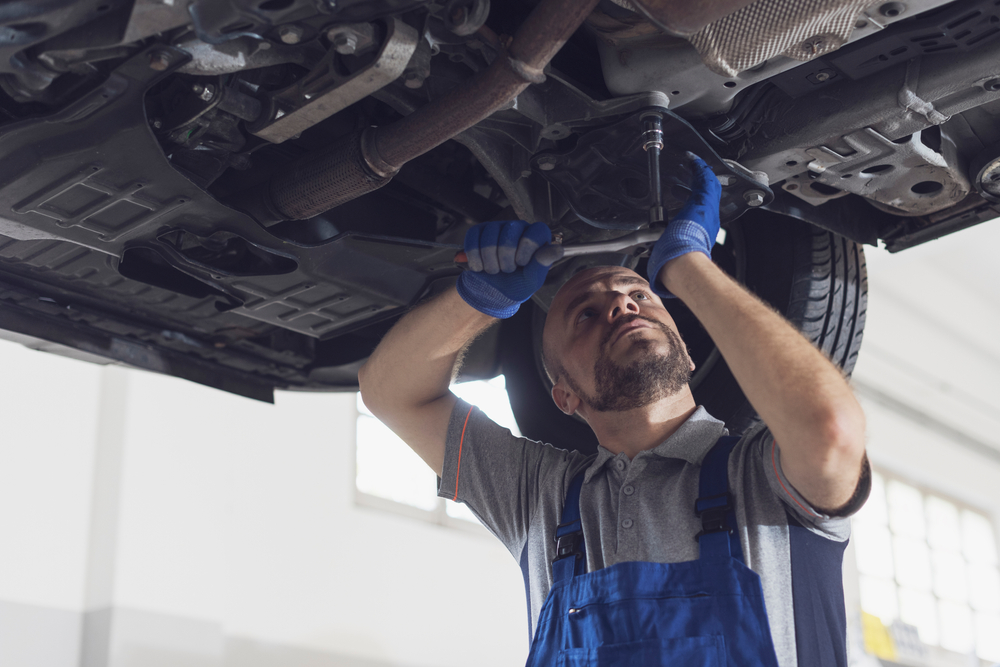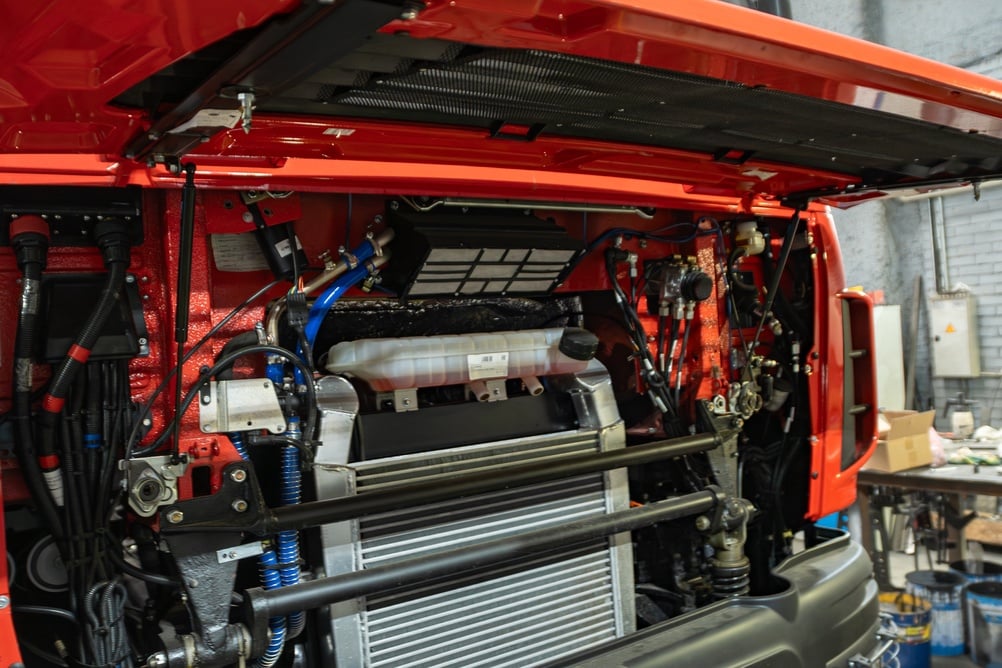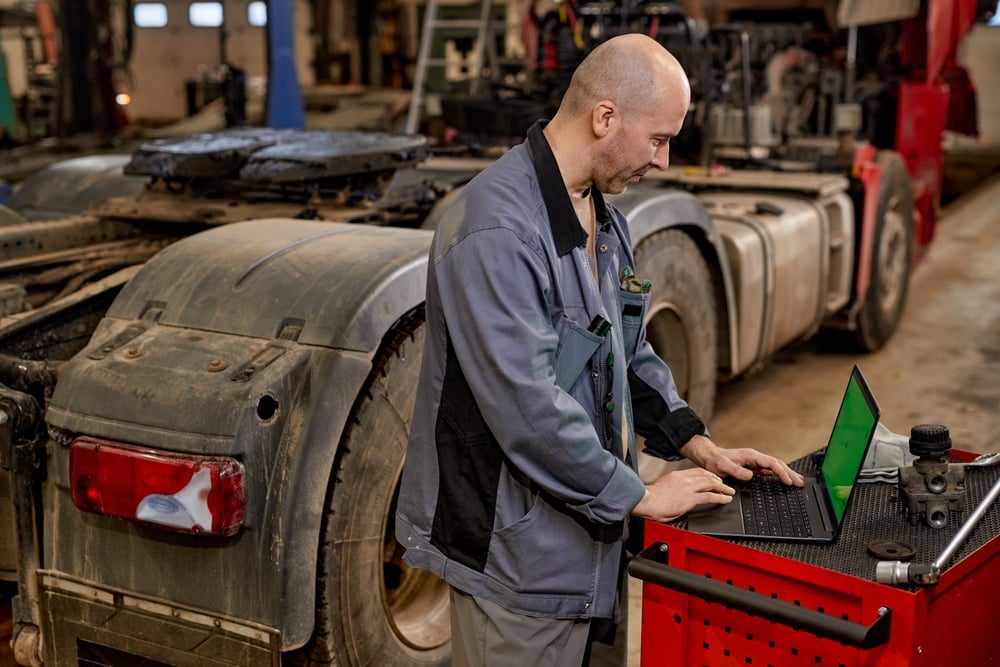

Fleet maintenance in truck operations is the process of regularly inspecting, servicing, and repairing heavy-duty vehicles to keep them reliable, efficient, and safe. For fleet managers, logistics companies, and transportation businesses, a well-maintained fleet helps reduce unexpected breakdowns, minimize downtime, and extend vehicle lifespan.
Each truck plays a critical role in daily operations, and consistent maintenance ensures every vehicle is ready to perform when it matters most. By following a proactive maintenance strategy, businesses can improve fleet performance, control repair costs, and keep their trucks operating efficiently.
Key Takeaways
- Fleet maintenance helps improve truck performance, safety, and reliability
- Preventive, predictive, and corrective maintenance keep vehicles operating efficiently
- Effective maintenance management supports better scheduling and cost control
- Regular fleet maintenance reduces downtime, improves safety, and lowers repair expenses
- Proactive planning, parts management, and driver training help keep trucks on the road
Exploring Different Types of Fleet Maintenance
Fleet maintenance includes a variety of service strategies designed to keep heavy-duty trucks safe, reliable, and ready for daily operations. The right combination of preventive, predictive, and corrective maintenance helps fleet managers identify issues early, reduce unexpected downtime, and extend the lifespan of their vehicles.
| Type of Fleet Maintenance | What It Includes | Benefits |
| Preventive Maintenance | Scheduled inspections, oil changes, tire services, fluid checks, and routine repairs performed before issues occur | Helps prevent breakdowns, reduces repair costs, and keeps trucks operating reliably |
| Predictive Maintenance | Uses vehicle data, sensors, and telematics to monitor performance and identify potential problems | Allows for better maintenance planning, fewer unexpected failures, and improved fleet uptime |
| Corrective Maintenance | Repairs performed after a truck experiences a mechanical issue, breakdown, or malfunction | Restores vehicle operation quickly and minimizes disruptions to fleet operations |
The Role of Fleet Maintenance Management
Fleet maintenance management is the conductor that orchestrates the symphony of your fleet operations. As a fleet manager, your role is to ensure that all vehicles are properly maintained and ready for operation. This involves overseeing maintenance schedules, coordinating repairs, and using data to make informed decisions. Effective fleet maintenance management is the key to maximizing efficiency and minimizing disruptions in your operations.
Fleet Managers Oversee Vehicle Health
As a fleet manager, you play a big role in overseeing the health of your vehicles. You’re responsible for ensuring that each vehicle receives the necessary maintenance services at the appropriate service intervals. By staying on top of maintenance schedules and processes, you can catch potential issues early and keep your fleet running like a well-oiled machine.
Maintenance Schedules Maximize Efficiency
A well-structured maintenance schedule is essential for organizing and planning vehicle servicing. By having a clear maintenance process in place, you can minimize disruptions and ensure that your fleet is always ready for action. Fleet maintenance software and fleet management software can help streamline your scheduling, allowing you to track maintenance tasks and optimize your maintenance program.
Data Analysis Enhances Maintenance Decisions
In today’s data-driven world, analyzing vehicle data can enhance your maintenance decisions. By using fleet management software to track vehicle performance and maintenance needs, you can gain valuable insights into the entire maintenance process. This data can help you identify patterns, predict potential issues, and make informed decisions about when to perform maintenance. With data analysis, you can optimize your maintenance program and keep your fleet running smoothly.
Benefits of Fleet Maintenance for Your Fleet
Regular fleet maintenance helps businesses keep heavy-duty trucks reliable, safe, and efficient. A proactive maintenance plan reduces unexpected issues, protects drivers and cargo, and helps control long-term operating costs. By keeping vehicles properly serviced, fleet operators can improve performance and maximize uptime.
Key benefits of fleet maintenance include:
- Reduced downtime – Helps prevent unexpected breakdowns and keeps trucks available for daily operations
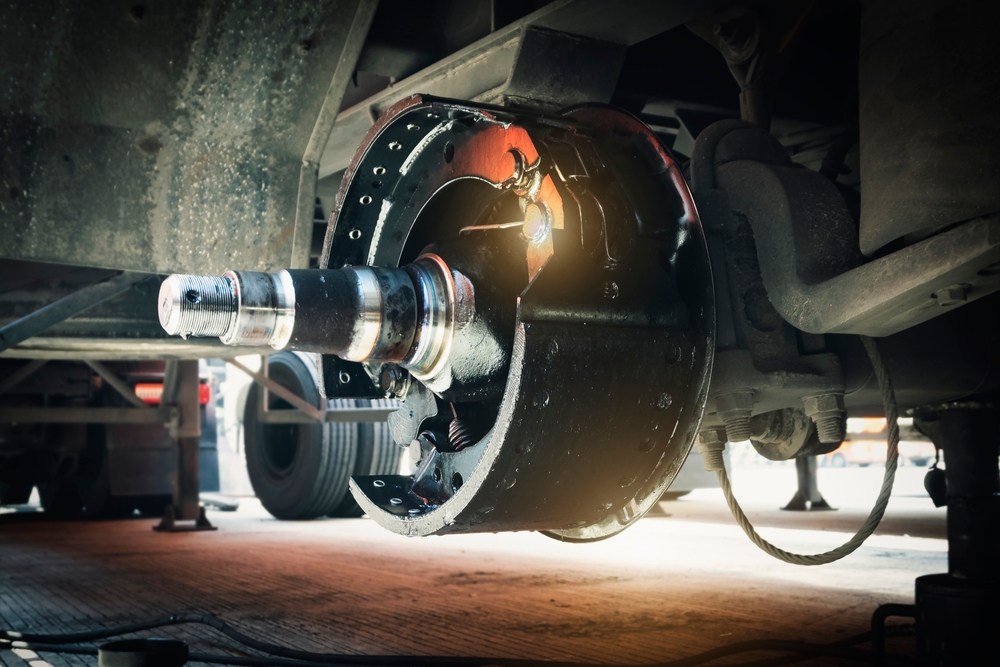
- Improved safety – Ensures critical components like brakes, tires, and safety systems remain in proper working condition
- Lower repair costs – Identifies potential issues early to avoid expensive repairs and major failures
- Longer vehicle lifespan – Extends the service life of heavy-duty trucks through consistent care and inspections
- Better efficiency – Supports improved fuel performance, reliability, and overall fleet productivity
Strategies for Reducing Vehicle Downtime
Reducing vehicle downtime is a top priority for fleet managers seeking to keep their operations running smoothly. By implementing effective maintenance strategies, you can minimize disruptions and keep your fleet on the road. From proactive scheduling to efficient parts management, there are several strategies you can use to reduce downtime and enhance productivity.
Proactive Scheduling Prevents Unexpected Breakdowns
Proactive scheduling of maintenance tasks is one of the most effective ways to prevent unexpected vehicle breakdowns. By sticking to a maintenance schedule, you can catch potential issues early and address them before they escalate. This proactive approach minimizes the risk of vehicle downtime and keeps your fleet operational. By using fleet management solutions and fleet tracking systems, you can streamline your scheduling and optimize your maintenance process.
Efficient Parts Management Ensures Quick Repairs
Efficient parts management is essential for ensuring quick repairs and minimizing downtime. By keeping an inventory of necessary components, you can perform repairs promptly and get vehicles back on the road. Fleet maintenance software can help you track parts inventory and streamline the repair process, ensuring that you have the right components on hand when needed. By focusing on efficient parts management, you can reduce the time vehicles spend in the shop and keep operations running smoothly.
Driver Training Minimizes Wear and Tear
Driver training plays an important role in minimizing wear and tear on vehicles. By educating drivers on proper vehicle operation and maintenance practices, you can reduce the risk of breakdowns and extend the lifespan of your fleet. Well-trained drivers are more likely to perform routine inspections and report maintenance needs promptly. By investing in driver training, you can enhance vehicle performance and reduce maintenance costs.
The Impact of Fleet Maintenance on Drivers
Fleet maintenance plays an important role in supporting both vehicles and drivers. Well-maintained trucks provide greater reliability, comfort, and safety, helping drivers feel more confident on the road. Regular inspections and service ensure vehicles perform properly, reduce stress caused by unexpected issues, and create a better overall driving experience.
Reliable trucks help drivers stay focused and confident during daily operations. When vehicles receive consistent maintenance, drivers can trust that their trucks are less likely to experience breakdowns or performance issues. Proper maintenance also improves comfort by keeping essential features like air conditioning, brakes, and suspension systems working properly, which is especially important during long hours on the road.
Safety is another key benefit of fleet maintenance. Routine inspections help ensure critical components, such as tires, lights, and braking systems, remain in good condition. By prioritizing regular maintenance, fleet operators can protect drivers, reduce safety risks, and support a more productive and reliable transportation operation.
Fleet Maintenance FAQs
What does fleet-maintained mean?
Fleet-maintained refers to vehicles that are regularly serviced and inspected as part of a comprehensive maintenance program. These vehicles are often part of a business or organization’s fleet and receive consistent care to ensure optimal performance and safety. Fleet maintenance includes routine checks, repairs, and updates to keep vehicles in top condition, reducing the likelihood of breakdowns and extending their lifespan.
What is fleet maintenance in truck operations?
Fleet maintenance in truck operations involves a systematic approach to keeping trucks in excellent working order. This includes scheduled inspections, repairs, and preventive measures to ensure trucks are safe, efficient, and compliant with regulations. Fleet maintenance helps to minimize breakdowns, improve fuel efficiency, and extend the lifespan of the vehicles, ultimately saving time and money for the business.
Why is regular fleet maintenance important for commercial trucks?
Regular fleet maintenance is crucial for commercial trucks to ensure safety, reliability, and efficiency. It prevents unexpected breakdowns, reduces repair costs, and enhances fuel efficiency. Regular checks also help comply with safety regulations and minimize downtime, which is vital for meeting delivery schedules. By maintaining a well-serviced fleet, businesses can improve their bottom line and provide better service to their customers.
How often should fleet trucks receive maintenance?
The frequency of fleet truck maintenance depends on factors such as vehicle type, mileage, usage, and manufacturer recommendations. Most commercial fleets follow scheduled maintenance intervals that include inspections, fluid checks, brake services, and other essential repairs. Regular maintenance helps identify wear and prevent unexpected failures before they impact operations. Working with an experienced fleet maintenance provider can help create a service schedule that fits your trucks and business needs.
What services are included in fleet maintenance?
Fleet maintenance services can include routine inspections, oil changes, brake repairs, tire services, engine diagnostics, electrical repairs, and other mechanical services. Heavy-duty trucks often require specialized maintenance to address the demands of daily commercial use. A complete maintenance plan focuses on preventing issues, improving reliability, and keeping vehicles safe on the road. Partnering with a trusted repair provider helps ensure your fleet receives the care it needs to stay operational.
Fleet Maintenance Keeps Truck Operations Running Efficiently
Fleet maintenance is essential for keeping heavy-duty trucks reliable, safe, and ready for daily operations. A proactive maintenance strategy helps reduce downtime, improve vehicle performance, lower repair costs, and extend the lifespan of fleet vehicles.
As a trusted heavy-duty truck repair provider serving Greater Houston, we help businesses maintain their fleets with reliable mobile diesel repair and maintenance services. Our team provides comprehensive fleet solutions designed to reduce downtime, improve truck performance, and keep commercial vehicles operating safely and efficiently.
Need reliable fleet maintenance services to keep your trucks on the road? Contact us today to schedule service and get the support your fleet needs.