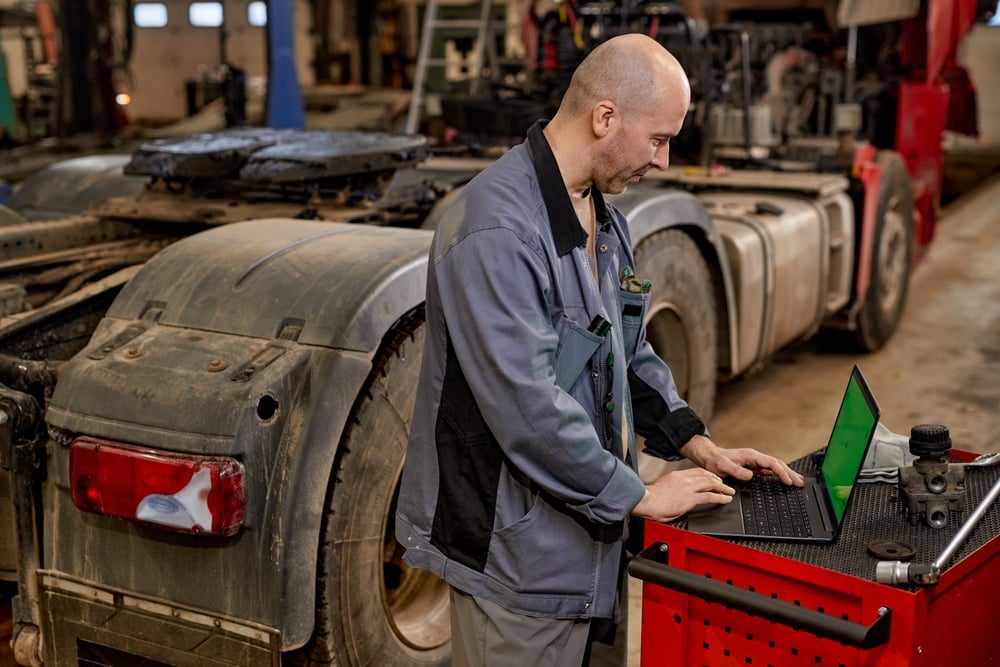
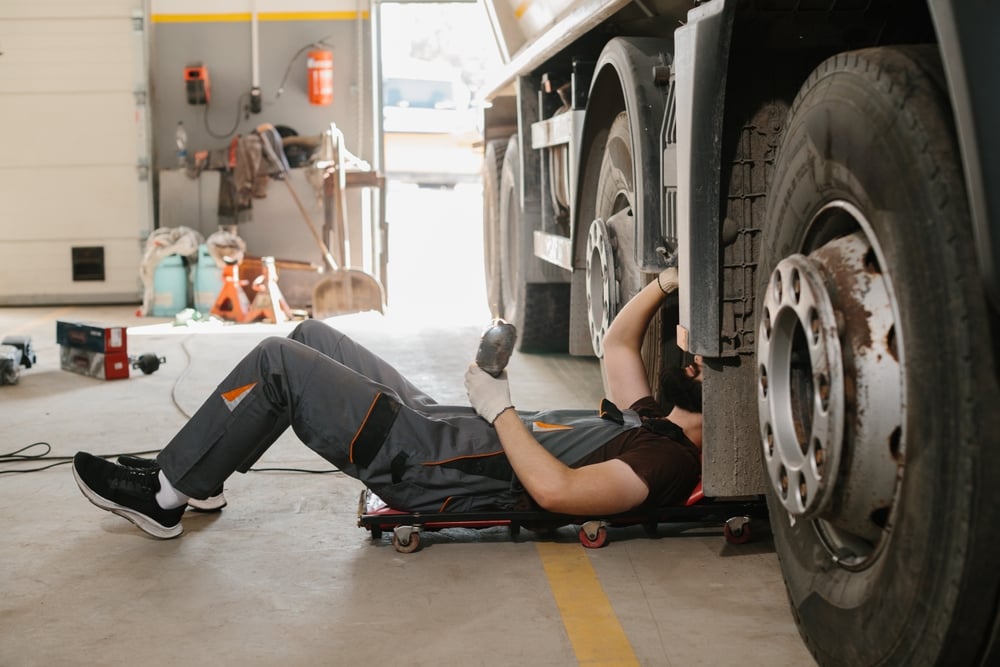
Brake line inspections are an essential part of maintaining a heavy-duty truck. Regular inspections help identify leaks, damage, corrosion, and other issues before they lead to brake failure or costly repairs. Keeping your truck’s brake system in good condition helps ensure safer operation and reliable performance on the road.
Key Takeaways
- Regular brake line inspections help keep trucks safe and compliant.
- The right inspection tools help find brake line problems early.
- Scheduled inspections should follow mileage and seasonal changes.
- Early signs of brake line wear can help prevent accidents.
- Regular maintenance helps extend the life of the brake system.
Understanding the Importance of Brake Line Inspections
Brake lines are an important part of a commercial truck’s braking system. Regular inspections help identify leaks, corrosion, wear, and other issues before they lead to costly repairs or safety problems. Routine checks also help keep the braking system reliable and extend the life of its components.
Brake line inspections are also important for meeting safety regulations and industry standards. Inspection results should be documented to track the condition of the brake lines and support proper maintenance records. Regular and accurate inspections help fleet operators keep commercial trucks safe and ready for the road.
Key Tools for Effective Inspection Services
The right tools make brake line inspections more accurate and efficient. Inspectors use a variety of tools to check for leaks, damage, wear, and other issues that could affect brake performance.
| Tool | Purpose |
| Hydraulic Brake Line Tester | Helps identify leaks and other problems in the brake system. |
| Flashlight and Mirror Set | Makes it easier to inspect hard-to-see areas for damage or wear. |
| Wrench Set | Helps tighten and adjust brake line fittings and connections. |
| Brake Line Flaring Tools | Used to repair or replace damaged sections of brake lines. |
| Digital Calipers | Measure brake line thickness to check for excessive wear. |
Using the proper inspection tools helps ensure brake lines are thoroughly checked, and any issues are identified early.
How Often Should Brake Line Inspections Be Performed?
Regular brake line inspections are an important part of maintaining commercial and fleet trucks. The inspection schedule can vary based on mileage, vehicle use, road conditions, and applicable safety requirements.
- Follow a regular schedule: Commercial fleets should follow the inspection intervals recommended by the manufacturer and applicable regulations.
- Consider mileage and use: Heavy-duty trucks that travel long distances, carry heavy loads, or operate frequently may require more frequent inspections.
- Inspect during seasonal changes: Winter weather, road salt, moisture, and changing road conditions can increase brake line wear and corrosion.
- Follow regulatory requirements: Fleet operators should follow required inspection schedules and keep inspection records to help maintain compliance.
- Check for problems immediately: If a commercial truck shows signs of brake problems, the brake lines should be inspected as soon as possible rather than waiting for the next scheduled inspection.
Recognizing Common Issues in Brake Lines
Commercial truck brake lines can develop several problems that affect braking performance and safety. Corrosion can weaken brake lines over time, especially when vehicles are exposed to moisture, road salt, and harsh conditions. Regular inspections can help identify rust and corrosion before they lead to more serious damage.
Fluid leaks are another common issue and may indicate damage within the brake line system. Visible wear, cracks, or other damage should also be addressed as soon as possible. Fleet operators should also pay attention to unusual noises during braking or sudden changes in braking performance, as these can be signs of a brake line or brake system problem. Any suspected issue should be inspected promptly to help keep commercial trucks safe and reliable.
Best Practices for Maintaining Brake Line Integrity
Proper brake line maintenance helps commercial and fleet trucks operate safely and reliably. Regular cleaning, inspections, quality brake fluid, and proper repairs can help prevent brake line problems and extend the life of the braking system.
| Best Practice | Why It Matters |
| Clean brake lines regularly | Helps remove dirt, debris, and buildup that can contribute to damage. |
| Perform visual inspections | Helps identify corrosion, leaks, cracks, and other problems early. |
| Use quality brake fluid | Supports proper brake system performance and helps reduce unnecessary wear. |
| Check fittings and installation | Secure connections help prevent leaks and reduce stress on brake lines. |
| Train maintenance staff | Ensures fleet maintenance teams know how to identify and address brake line issues safely. |
Brake Line Inspection FAQs
How often should truck brake lines be inspected?
Truck brake lines should ideally be inspected every six months or at every oil change, depending on the vehicle’s usage. Regular inspections help catch issues like leaks, corrosion, and wear before they become serious problems. If the truck operates in harsh conditions, such as salty roads or extreme temperatures, more frequent inspections may be necessary. Keeping a consistent inspection schedule ensures the braking system remains in top condition, promoting safety.
What are common signs of brake line problems?
Common signs include brake fluid leaks, visible corrosion, cracks, or other damage to the brake lines. Changes in braking performance can also indicate a problem that needs attention. Commercial truck drivers and fleet operators should not ignore these warning signs. Any suspected brake line issue should be inspected promptly.
Why are brake line inspections important for fleet trucks?
Brake line inspections help keep commercial trucks safe and reduce the risk of brake system failures. They can identify small problems before they lead to costly repairs or vehicle downtime. Regular inspections also help fleet operators maintain required safety and maintenance records. Keeping brake lines in good condition supports reliable fleet operations.
What tools are used during a brake line inspection?
Inspectors may use hydraulic brake line testers, flashlights, mirrors, wrenches, flaring tools, and digital calipers. These tools help identify leaks, inspect hard-to-reach areas, check fittings, and measure brake line thickness. Using the proper equipment allows maintenance teams to perform more accurate inspections. The tools needed may vary depending on the commercial truck and the type of inspection.
Can brake line problems be prevented?
Regular maintenance and inspections can help prevent many brake line problems from becoming serious. Cleaning the lines, checking for corrosion and leaks, and keeping fittings secure can help maintain brake line integrity. Fleet maintenance teams should also follow manufacturer guidelines and applicable inspection requirements. Addressing small issues early can help reduce unexpected repairs and downtime.
Brake Line Inspection for Commercial Trucks
Regular brake line inspections are essential for keeping commercial and fleet trucks safe and reliable. Checking for leaks, corrosion, wear, and other issues can help prevent costly repairs, unexpected downtime, and brake system failures.
As a mobile diesel repair provider in Houston, we help commercial fleets maintain their vehicles with on-site inspections, brake repairs, preventive maintenance, and DOT inspection support.
Need reliable brake line inspection services for your commercial fleet? Contact us today to schedule an inspection or request a quote for your commercial truck maintenance needs.