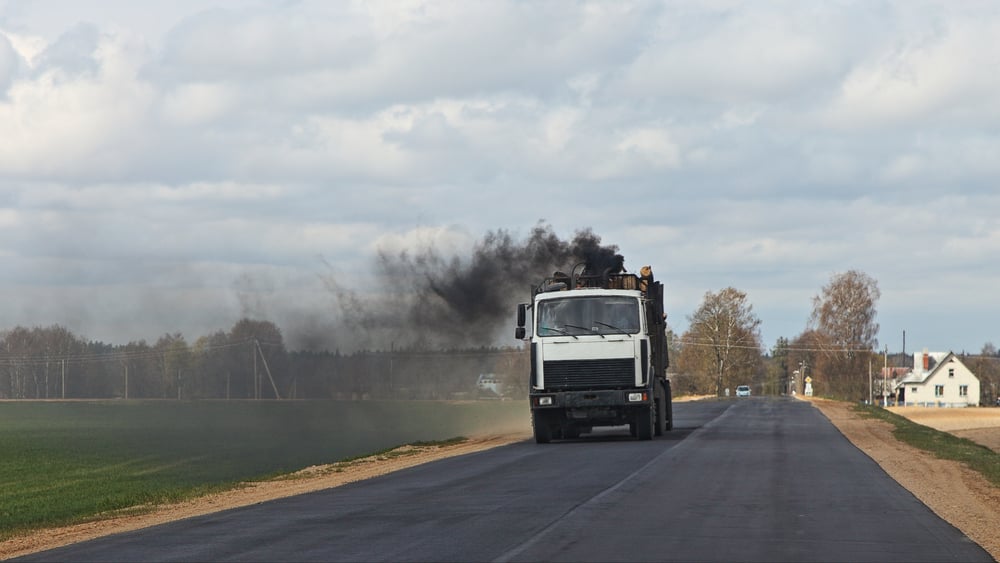
Seeing black smoke coming from a diesel truck can be concerning, especially when driving through busy Houston streets. However, black smoke does not always mean the engine is failing. It is often a sign that the engine is not burning fuel properly and may point to an issue that needs attention. Understanding the common causes can help identify problems early and keep the truck running efficiently.
Key Takeaways
- Black smoke from a diesel truck often results from incomplete fuel combustion
- Factors like faulty injectors, clogged air filters, and poor fuel quality can lead to excessive smoke
- Regular maintenance and high-quality fuels can prevent black smoke emissions
- Recognizing the symptoms early can prevent minor issues from becoming major problems
- Professional help is important when black smoke persists, indicating potential serious engine issues
Understanding Black Smoke from Diesel Engines
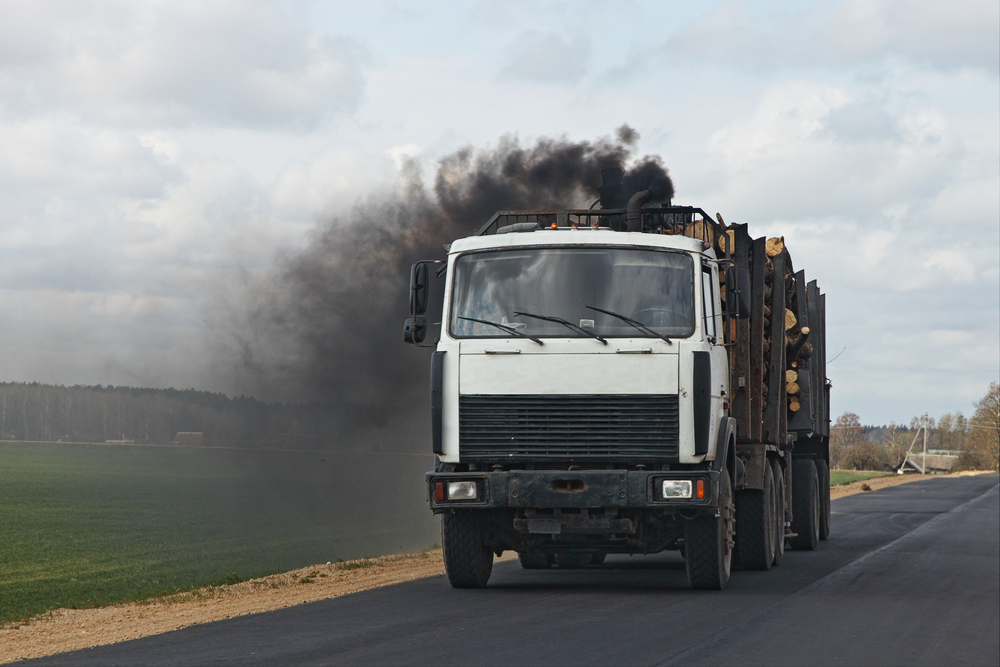
When a diesel truck starts producing black smoke, it is usually a sign that something is wrong. Black smoke happens when the engine does not burn all the fuel properly. This causes extra fuel to leave the engine through the exhaust, creating the dark smoke.
Diesel engines work differently from gasoline engines. They first take in and compress air, then inject fuel into the engine. When there is too much fuel or not enough air, the fuel cannot burn completely. This can lead to black smoke.
Black smoke does not always mean there is a major engine problem. Simple issues, such as a dirty air filter or faulty fuel injectors, can also cause it. Finding the problem early can help prevent more serious and expensive repairs.
The color of the exhaust smoke can also give you clues about the problem. Black smoke usually means there is too much fuel or not enough air. Blue smoke can mean the engine is burning oil. White smoke may be caused by coolant or water getting into the combustion area.
Understanding what causes black smoke can make it easier to find the problem. In some cases, a simple repair, such as replacing an air filter, may solve the issue. Other problems may require a professional inspection and repair.
Common Causes of Black Smoke Emissions
Black smoke can come from several different issues with a diesel truck. Some problems are simple to fix, while others may need a professional inspection. The table below outlines some of the most common causes and what they can do to the engine.
| Cause | How It Can Cause Black Smoke |
| Faulty Fuel Injectors | Injectors that do not work properly can add too much fuel to the engine, causing incomplete combustion. |
| Clogged Air Filter | A dirty air filter can limit the air reaching the engine, creating an improper air-to-fuel mixture. |
| Turbocharger Problems | A damaged or poorly working turbocharger may not provide enough air to the engine, which can lead to more smoke. |
| EGR Valve Issues | A dirty or faulty EGR valve can cause soot buildup and affect how the engine burns fuel. |
| Incorrect Engine Timing | Incorrect timing can cause fuel to be injected at the wrong time, leading to incomplete combustion and black smoke. |
Regular maintenance can help catch these problems early. Checking the air filter, fuel injectors, turbocharger, EGR system, and engine timing can help keep a diesel truck running properly and reduce excess smoke.
The Role of Fuel Quality in Diesel Engine Smoke
The quality of diesel fuel can affect how well a truck engine runs. Low-quality fuel may contain impurities that do not burn properly. This can create more carbon buildup, clog fuel injectors, and increase black smoke from the exhaust.
Using clean, high-quality diesel fuel can help the engine burn fuel more efficiently. Fuel additives may also help clean the fuel system and improve combustion. However, they are not always needed.
Water in the fuel can also cause problems. It can enter the fuel tank through condensation or contaminated fuel and affect the combustion process. This can lead to more smoke and possible engine damage. Using fuel from trusted suppliers and keeping the fuel system properly maintained can help prevent these issues.
How Air Filters Affect Diesel Engine Performance
The air filter helps keep dirt and debris out of the diesel engine. When the filter is clean, the engine gets the air it needs to burn fuel properly. When the filter becomes dirty or clogged, it can restrict airflow and lead to black smoke.
A clogged air filter can upset the balance between air and fuel. This can cause the engine to use more fuel than it can burn, leaving unburned fuel to exit through the exhaust as black smoke. Regularly checking and replacing the air filter can help keep the engine running efficiently. It can also improve fuel economy, reduce smoke, and help prevent unnecessary engine wear. For diesel truck owners, routine air filter inspections are a simple part of regular maintenance. Replacing a dirty filter can help maintain proper airflow and overall engine performance.
Tips for Preventing Black Smoke from Your Diesel Truck
Regular maintenance can help prevent black smoke and keep your diesel truck running properly. Simple steps can reduce the risk of engine problems and costly repairs.
- Follow a regular maintenance schedule: Keep up with oil changes, inspections, and needed repairs.
- Use quality diesel fuel: Choose fuel from trusted suppliers to help support clean combustion.
- Check fuel injectors: Inspect injectors regularly to make sure they are delivering the right amount of fuel.
- Replace dirty air filters: A clean air filter helps the engine get enough air for proper combustion.
- Avoid overloading the truck: Stay within the recommended weight limits to reduce stress on the engine.
- Fix small problems early: Address unusual smoke or engine issues before they become more serious.
When to Seek Professional Help for Diesel Engine Problems
Some diesel engine problems can be handled with regular maintenance, but others require professional help. If black smoke continues after basic maintenance, it is important to have the truck inspected by a diesel repair professional.
Professional service may be needed when you notice:
- Continuous black smoke: Ongoing smoke can point to a fuel, air, or engine problem.
- Strange engine noises: Unusual sounds may indicate a more serious issue.
- Loss of power: Reduced power can be a sign that the engine is not working properly.
- Poor fuel efficiency: A sudden increase in fuel use can point to an engine or fuel system problem.
- Repeated engine problems: Ongoing issues may require a full diagnostic inspection.
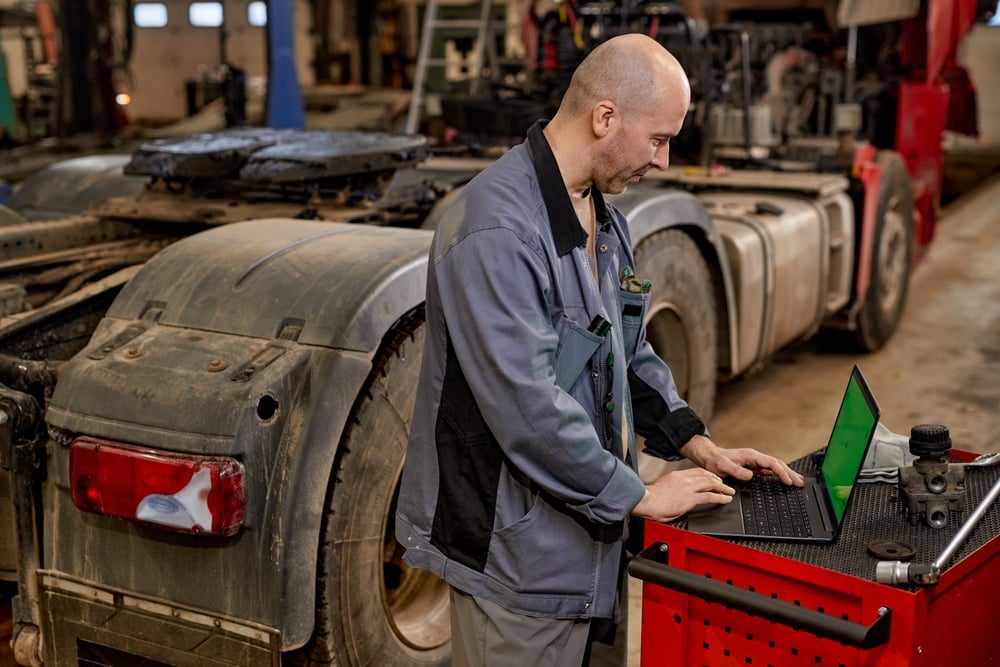
At Ares Diesel Repair, we have the tools and experience to diagnose diesel engine problems and find the cause of excessive smoke. Our team can inspect the fuel system, air intake, and other engine components to help get your truck back to proper working condition.
Addressing black smoke early can help prevent further engine damage and more expensive repairs. If your diesel truck continues to produce black smoke, professional diesel repair can help identify the problem and get your truck back on the road.
Diesel Smoke FAQs
Is it bad for a diesel to black smoke?
Seeing black smoke from a diesel truck isn’t just a cosmetic issue; it usually indicates incomplete combustion. When diesel fuel doesn’t burn completely, it produces black smoke, which can lead to reduced fuel efficiency and increased emissions. While a little puff of smoke during acceleration isn’t uncommon, persistent black smoke may signal underlying issues that need attention. It’s wise to diagnose the root cause to prevent potential damage and maintain optimal engine performance.
How to fix black smoke in a diesel engine?
Fixing black smoke from your diesel engine often involves a few key steps. Start by checking and replacing the air filter if it’s dirty. Next, inspect the fuel injectors for clogs or wear, and clean or replace them as needed. Regularly maintain the turbocharger and ensure it’s working correctly, as a faulty turbo can contribute to black smoke. Lastly, consider using a fuel additive to clean the fuel system. Regular maintenance is crucial to prevent this issue from recurring.
Does diesel cause black smoke?
Diesel engines can produce black smoke under certain circumstances, but the fuel itself isn’t the direct cause. Black smoke occurs when diesel fuel doesn’t burn completely due to factors like insufficient air supply, faulty injectors, or a dirty air filter. These conditions lead to unburnt fuel being expelled as black smoke. Proper maintenance and timely repairs can help mitigate this problem, ensuring your diesel engine runs efficiently and with minimal emissions.
Why does my diesel engine emit black smoke when I start it?
If your diesel engine emits black smoke at startup, it might be due to a cold engine or residual fuel in the cylinders. This is often temporary and should clear up as the engine warms. However, persistent black smoke at startup could indicate issues like a clogged air filter, malfunctioning injectors, or even a problem with the turbocharger. Regular checks and maintenance of these components can help keep startup emissions in check.
Is black smoke from a diesel truck a serious problem?
While occasional black smoke isn’t uncommon, consistent emissions can indicate serious issues. It often means the engine isn’t burning fuel effectively, which can lead to increased fuel consumption and potential engine damage over time. Additionally, excessive black smoke contributes to environmental pollution. Addressing the underlying causes promptly can prevent more severe problems and improve both engine performance and fuel efficiency. Regular maintenance is essential to keep your diesel truck running smoothly.
What Causes Black Smoke From a Diesel Truck?
Black smoke from a diesel truck can be caused by several issues, including faulty fuel injectors, dirty air filters, turbocharger problems, poor fuel quality, or incorrect engine timing. Regular maintenance can help identify these problems early and keep the engine running properly.
As a diesel repair technician serving Houston, we help truck owners identify and repair issues that can cause black smoke and other engine problems. Our team provides diesel repair and maintenance services to help keep commercial trucks running safely and efficiently.
Is your diesel truck producing black smoke or showing other signs of engine trouble? Contact us to schedule an inspection and get the professional diesel repair your truck needs.