
When it comes to the safety of commercial vehicles, particularly trucks, there’s an unsung hero that plays a pivotal role: the DOT brake inspection. These inspections aren’t just a checkbox in your vehicle maintenance routine; they are vital for the safety of both the driver and everyone else on the road. A DOT brake inspection ensures that the braking components of a vehicle meet federal safety standards and are in proper working condition. For truck drivers, fleet managers, and mechanics in Houston, Texas, understanding these inspections can make a significant difference in preventing dangerous and costly mishaps.
Brake functionality is often taken for granted until a problem arises, making regular inspections essential for commercial vehicle safety and compliance. Understanding what goes into a DOT brake inspection and why each component matters helps drivers and fleet operators maintain reliable braking performance. This guide explores the key elements of DOT brake inspections and their role in keeping commercial vehicles safe on the road.
Key Takeaways
- DOT inspections help keep commercial vehicles safe and compliant
- Inspectors check brakes for wear, leaks, and damage
- Regular maintenance helps prevent brake problems
- Inspections identify safety issues before they become serious
- Fleet managers and mechanics work together to maintain compliance
Components of a DOT Brake Inspection
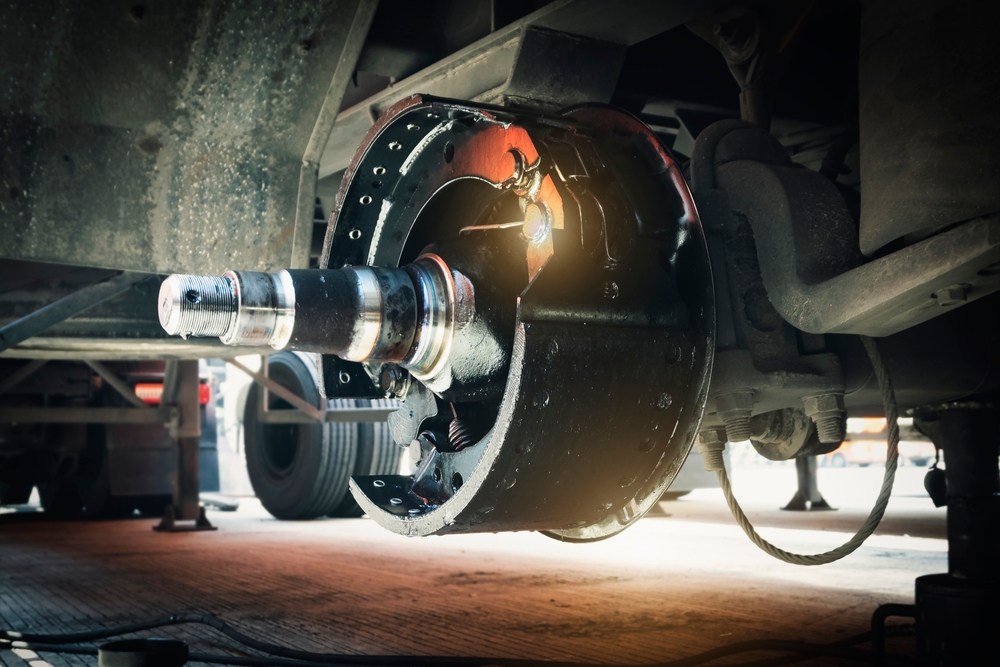
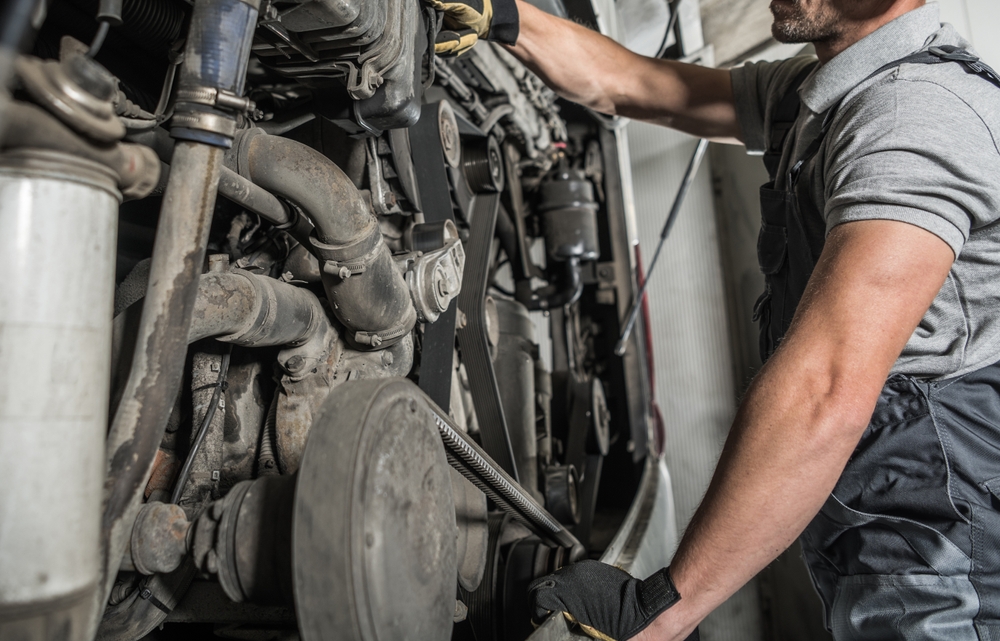
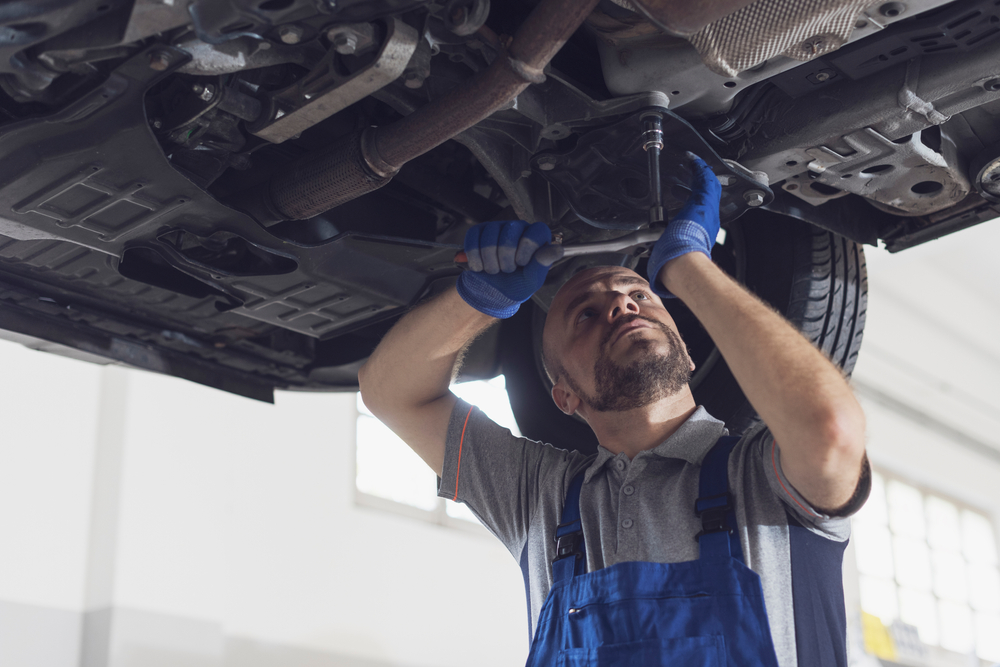
DOT brake inspections are an important part of keeping commercial trucks and fleet vehicles safe, reliable, and compliant. During an inspection, technicians examine key parts of the braking system to identify wear, damage, leaks, or other issues that could affect stopping performance. For fleet operations, staying ahead of brake problems can help reduce downtime, prevent costly repairs, and support safer operations on the road.
A thorough inspection covers multiple components throughout the truck’s brake system. Each part plays a role in ensuring the vehicle can brake properly under demanding operating conditions.
| Brake Component | What Inspectors Check |
| Air Brake System | Leaks, pressure issues, and visible damage |
| Brake Chambers | Proper operation and acceptable pushrod stroke |
| Brake Pads & Linings | Signs of excessive wear or damage |
| Drums & Rotors | Cracks, uneven wear, and overall condition |
| Brake Hoses | Leaks, cracks, and secure connections |
| Brake Connections | Loose or damaged fittings that could affect performance |
Inspectors also check brake hoses and connections to make sure the entire system remains secure and properly sealed. Even a small issue can affect brake performance and create a larger safety concern for trucks operating under heavy loads or traveling long distances.
Following a consistent Air Brake Inspection Checklist helps fleet managers and maintenance teams monitor brake system condition and address issues before they lead to breakdowns or compliance violations. Regular inspections are a key part of keeping commercial trucks road-ready and supporting efficient fleet operations.
Preparing for a Commercial Truck DOT Inspection
Preparing for a DOT inspection takes teamwork between drivers, fleet managers, and maintenance teams. Drivers should keep maintenance records up to date and complete pre-trip inspections to catch potential problems early. Mechanics should check the brake system and other key components to make sure everything is working properly and meets DOT standards.
Fleet managers should keep inspections and routine maintenance on schedule to help avoid delays and downtime. Maintenance teams should regularly inspect important brake components, including brake chambers, hoses, and connections. Staying on top of these tasks helps keep trucks safe, compliant, and ready for an annual DOT inspection.
Common Issues Found During Brake Inspections
Regular brake inspections help fleet operators identify problems before they lead to unsafe driving conditions, unexpected downtime, or costly repairs. Commercial trucks experience significant wear due to heavy loads, frequent stops, and long hours on the road, making routine brake maintenance especially important. During inspections, technicians commonly look for the following issues:
- Worn brake pads or linings: Excessive wear can reduce stopping power and should be addressed promptly
- Leaking brake lines: Leaks can affect brake pressure and overall braking performance
- Misaligned brake components: Improper alignment can cause uneven wear and premature component failure
- Contaminated brake fluid: Moisture and debris can reduce fluid effectiveness and impact brake performance
- Loose connections: Damaged or unsecured connections can create air or fluid leaks and increase the risk of brake failure
- Damaged drums or rotors: Cracks, scoring, and excessive wear can affect consistent braking performance
Addressing these issues early helps keep trucks operating safely and supports fleet compliance. Regular inspections and timely repairs can also reduce the risk of unexpected roadside breakdowns and problems during DOT or roadside inspections.
The Role of Inspectors in Maintaining Truck Safety
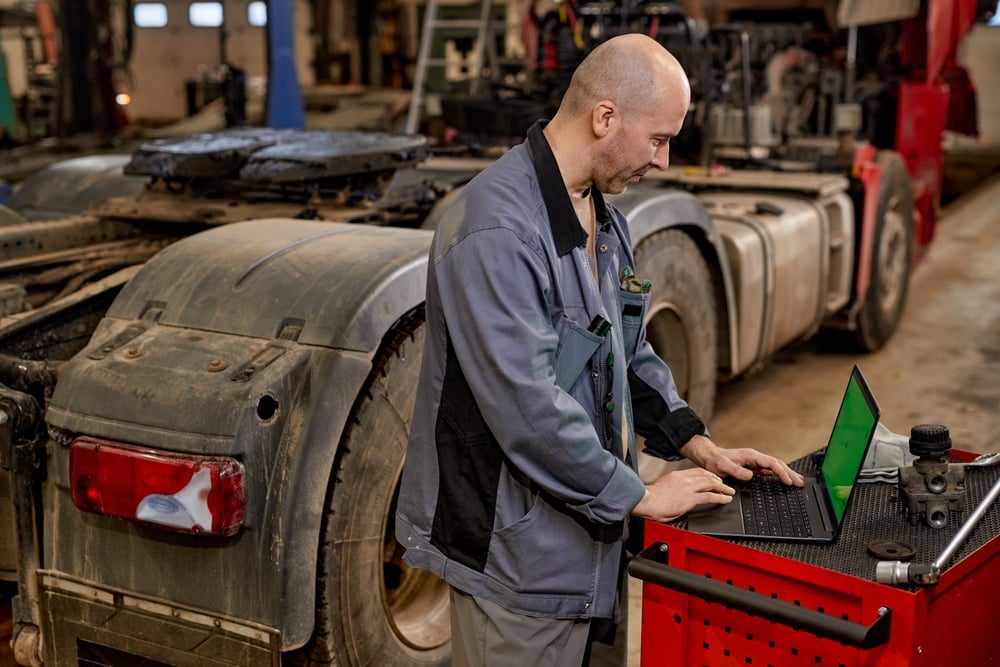
Truck safety depends on more than just drivers and mechanics. Qualified inspectors also play an important role in keeping commercial trucks safe and compliant. During inspections, they check key vehicle components, including the brake system, to identify potential safety issues and make sure the truck meets federal requirements.
At Ares Diesel Repair, we understand the importance of thorough inspections and proper truck maintenance. Our team can help identify brake problems, worn components, leaks, and other issues that could affect a truck’s safety or compliance. We also work with fleet managers to address needed repairs and keep commercial vehicles operating reliably.
Clear communication between inspectors, fleet managers, drivers, and repair technicians helps keep trucks in safe operating condition. Regular inspections and timely repairs can reduce the risk of breakdowns, prevent costly issues, and help fleets stay prepared for commercial motor vehicle inspections.
Tips for Fleet Managers to Ensure Ongoing Compliance and Safety
Keeping a commercial truck fleet safe and compliant requires consistent maintenance, training, and recordkeeping. Fleet managers can reduce brake-related issues, avoid unexpected downtime, and keep vehicles ready for inspections by following a few key practices:
- Train drivers regularly: Make sure drivers understand brake safety and inspection procedures
- Schedule routine maintenance: Check brake systems regularly to catch problems early
- Track inspections: Keep records of inspection dates, results, and needed repairs
- Work with reliable mechanics: Partner with experienced technicians who understand commercial truck brake systems
- Use quality brake parts: Choose dependable components that support safe and reliable truck operation
These practices help fleet managers maintain safer trucks, support DOT compliance, and reduce the risk of costly roadside breakdowns.
DOT Brake Inspection FAQs
What are the requirements to do DOT inspections?
To conduct a DOT inspection, a qualified inspector must follow the guidelines set by the Federal Motor Carrier Safety Administration (FMCSA). This involves checking various vehicle components, including brakes, lights, tires, and more, to ensure safety standards are met. Inspectors need to be trained and certified, and they must record their findings on official DOT forms. The goal is to ensure that commercial vehicles are roadworthy and safe for operation on public highways.
What is included in a DOT brake inspection?
A DOT brake inspection involves checking all components of the brake system for wear, damage, and proper function. This includes examining brake pads, rotors, drums, hoses, and air systems. Inspectors also verify that the brakes apply and release correctly. The goal is to ensure that the vehicle can stop safely in various conditions, maintaining compliance with DOT safety regulations.
How often should commercial trucks have their brakes inspected?
Commercial trucks should have their brake systems checked regularly as part of routine fleet maintenance and required inspections. Drivers should also inspect their trucks during pre-trip inspections and report any brake issues immediately. Regular maintenance can help identify worn or damaged components before they become serious problems. Following a consistent inspection schedule can also help fleets reduce downtime and maintain compliance.
What happens if a truck fails a DOT brake inspection?
If a truck fails a DOT brake inspection, the identified safety issues generally need to be repaired before the vehicle can return to service. Depending on the severity of the problem, the truck may be placed out of service until the necessary repairs are completed. Fleet managers should address failed inspection items promptly to avoid additional violations or operational delays. Keeping accurate maintenance records can also help demonstrate that repairs have been completed.
How can fleet managers prepare trucks for a DOT brake inspection?
Fleet managers can prepare by keeping up with scheduled brake maintenance, inspections, and repair records. Maintenance teams should check components such as brake chambers, hoses, drums, rotors, and brake linings for signs of wear or damage. Drivers should also complete thorough pre-trip inspections and report any braking concerns. This proactive approach can help fleets identify problems early and keep commercial trucks ready for inspection.
What are the most common brake problems found during truck inspections?
Common brake problems include worn brake linings, air leaks, damaged hoses, loose connections, and excessive wear on drums or rotors. These issues can reduce braking performance and may result in safety violations or a truck being placed out of service. Regular inspections help identify these problems before they become more serious. Prompt repairs can help keep commercial trucks safe and reduce unexpected fleet downtime.
DOT Brake Inspections for Commercial Trucks
DOT brake inspections are an important part of keeping commercial trucks safe, reliable, and compliant. Regular inspections help identify worn components, leaks, and other brake issues before they lead to breakdowns, safety concerns, or costly downtime. Proper maintenance and preparation also help fleet managers keep their trucks ready for inspections.
As a commercial truck repair company in Houston, we help fleet operators maintain safe and reliable vehicles. Learn more about our team and experience on our About Us page.
Need help keeping your fleet’s brake systems in good working condition? Contact us to schedule reliable truck repair and maintenance services.